
About Pomellow Bean — Korean Contemporary Coffee
Korean Contemporary Coffee
We interpret contemporary coffee through a palate shaped by life in Korea.
Broth · Nongmil · GanPomellow Bean, Seoul
We interpret contemporary coffee through a palate shaped by life in Korea.
The phrase “Korean coffee” may sound unfamiliar. Coffee came to Korea from elsewhere, yet roasting, grinding, and brewing are not so distant from familiar work in our mills and kitchens.
Coffee is now part of everyday life here. As roasters and brewers, we wanted to explore it through the tastes and experiences most familiar to us.
For us, “Korean” does not mean recreating the past. It means learning from coffee around the world while developing our own judgment of what tastes good and how we want to enjoy it.
We have used the phrase “Korean coffee” for several years. What it means to us continues to develop through our work and our conversations with the people who drink it.

We begin with contemporary specialty coffee. We value the distinctive flavors that come from origin, variety, and processing.
We value acidity, too. It can bring brightness and structure to a cup. Our aim is not to remove it, but to bring it into balance with sweetness and body while keeping the coffee’s character clear.
We also want that cup to feel at home in everyday life—not only interesting to taste once, but satisfying to return to.
To describe what we were looking for, we turned to a familiar taste: broth.
It began with a small observation. When we visited cafés with older family members and acquaintances, we noticed that they often enjoyed sour or bitter coffee more readily than we expected. What they disliked was coffee that tasted watery.
This led us to think about gukmul—the broths we grew up with. Could the richness and texture we enjoyed in broth also influence what we looked for in coffee?
We describe good broth as jin-hada, rich; gip-da, deep; and siwon-hada, refreshing. In this context, “refreshing” describes a satisfying, clearing sensation rather than a cool temperature.
These words describe more than intensity alone. They speak of depth, texture, and the feeling a sip leaves behind. We began exploring how those qualities might translate into coffee.
Broth does not explain everyone’s taste. It gave us a starting point for understanding our own.
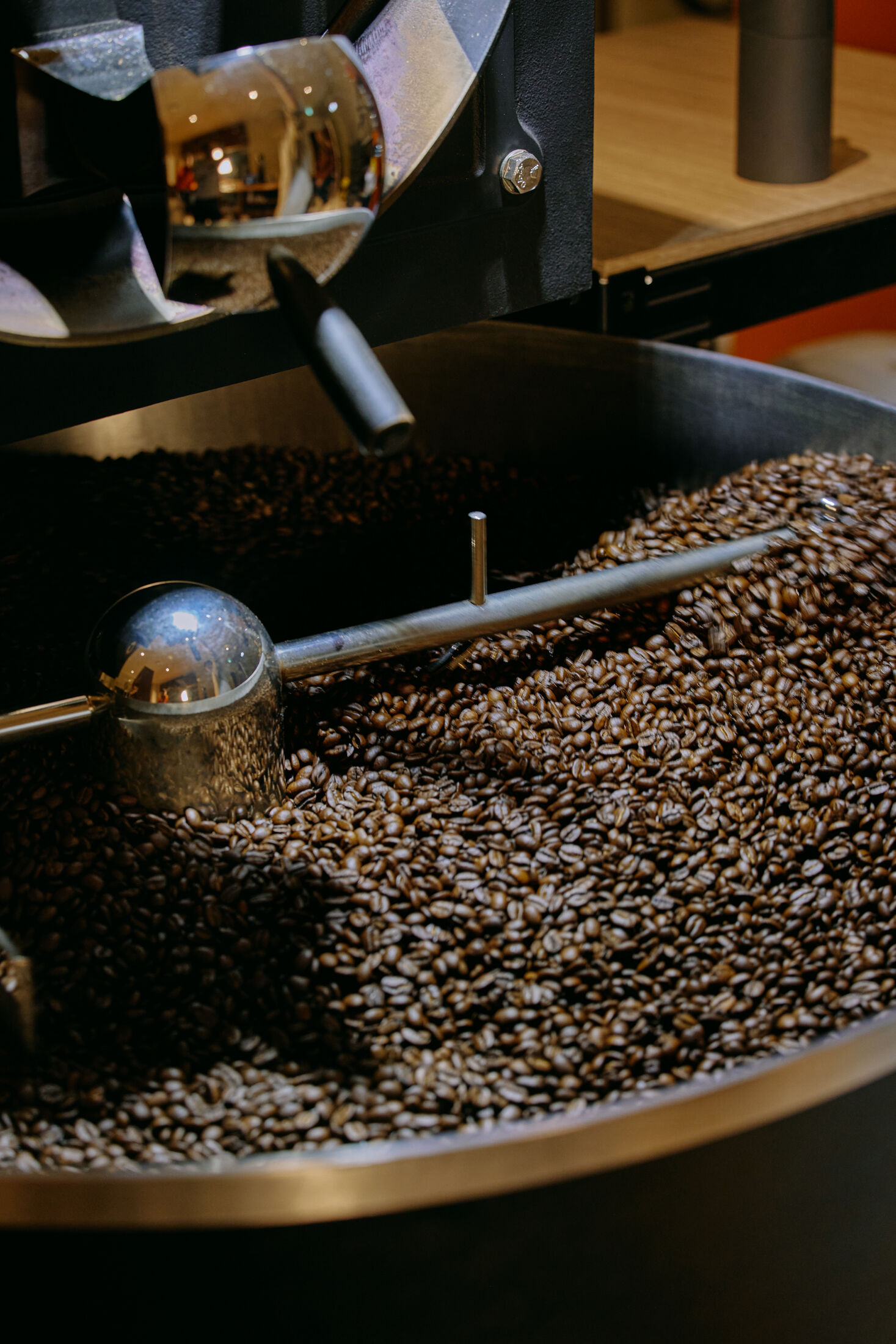

We brought these qualities together in one word: nongmil (濃密). For us, it means more than strength alone.
Nongmil describes a cup with abundant flavor and aroma, supported by a smooth, full texture. It has a satisfying weight and a richness that lingers on the palate.
Think of the mouth-coating quality of a well-made bone broth. Its appeal is not simply that it is strong, but that flavor and texture feel complete together.
In coffee, we look for that same relationship: enough concentration to carry the flavor, and enough texture to give it substance.
On the morning commute or after a spicy lunch—
a coffee that feels right for the moment.
That is the kind of cup we mean by nongmil.
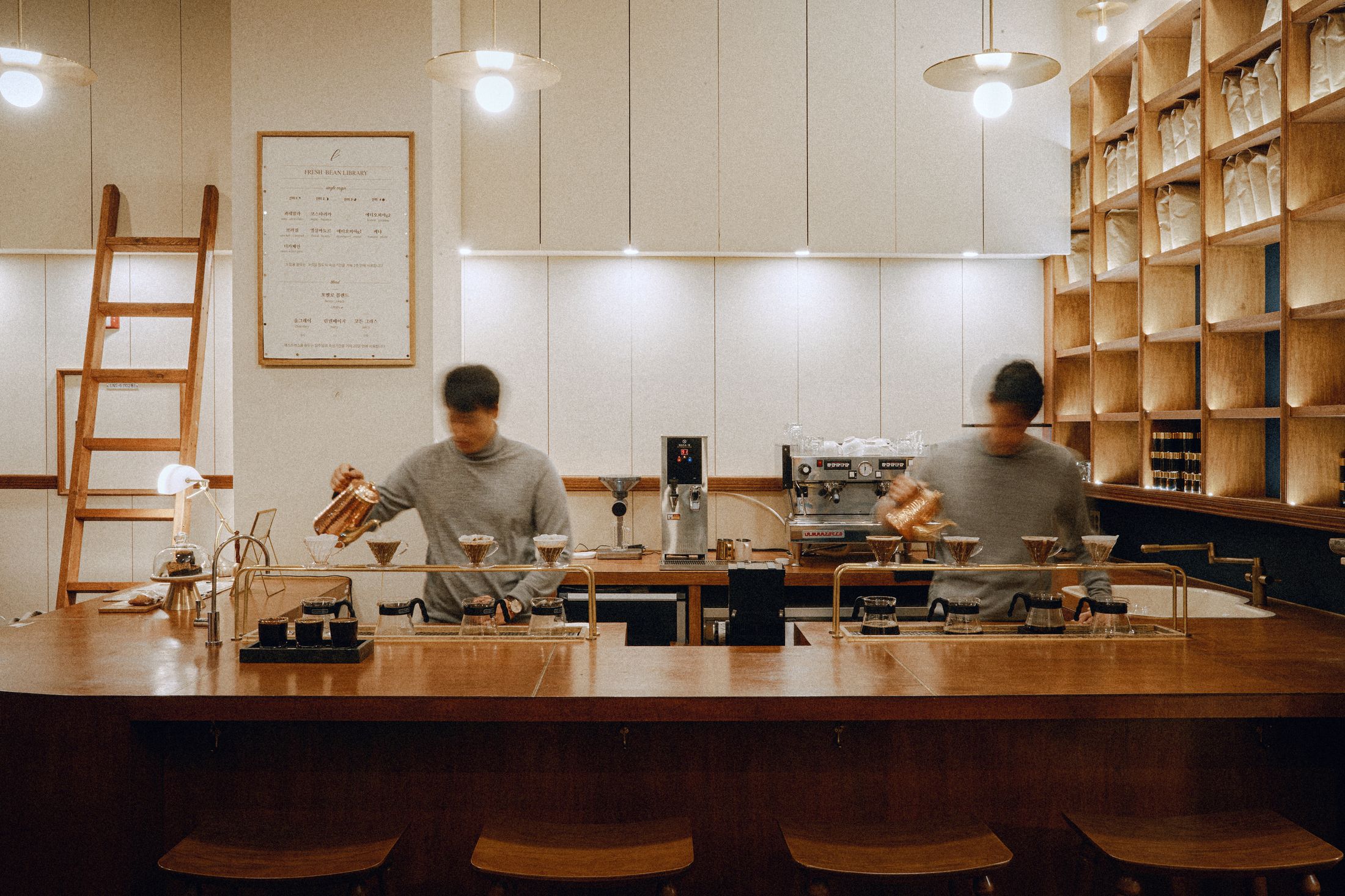
In Korean cooking, we use the word gan when judging whether a dish is seasoned just right. At Pomellow Bean, we bring that idea to coffee: does the finished cup taste right as a whole?
For us, balance means more than sweetness and acidity. We consider the coffee’s distinctive character, the fullness of its texture, and its final strength. These elements should work together without any one of them overwhelming the cup.
As in bibimbap or ssam, harmony does not require each ingredient to lose its character. We want a coffee’s distinctive flavors to remain clear while becoming part of a satisfying whole.
The right balance also depends on the drink. An espresso enjoyed on its own may need a different recipe from one served with water or milk. We work backward from the finished drink, considering its ingredients, serving size, and the cup it is served in.
Roasting and brewing both contribute to this balance. Roasting develops the flavors and texture we seek. Brewing draws them into the cup and establishes the strength at which they are enjoyed.
This is what we mean by gan: bringing every element into balance in the cup you drink.

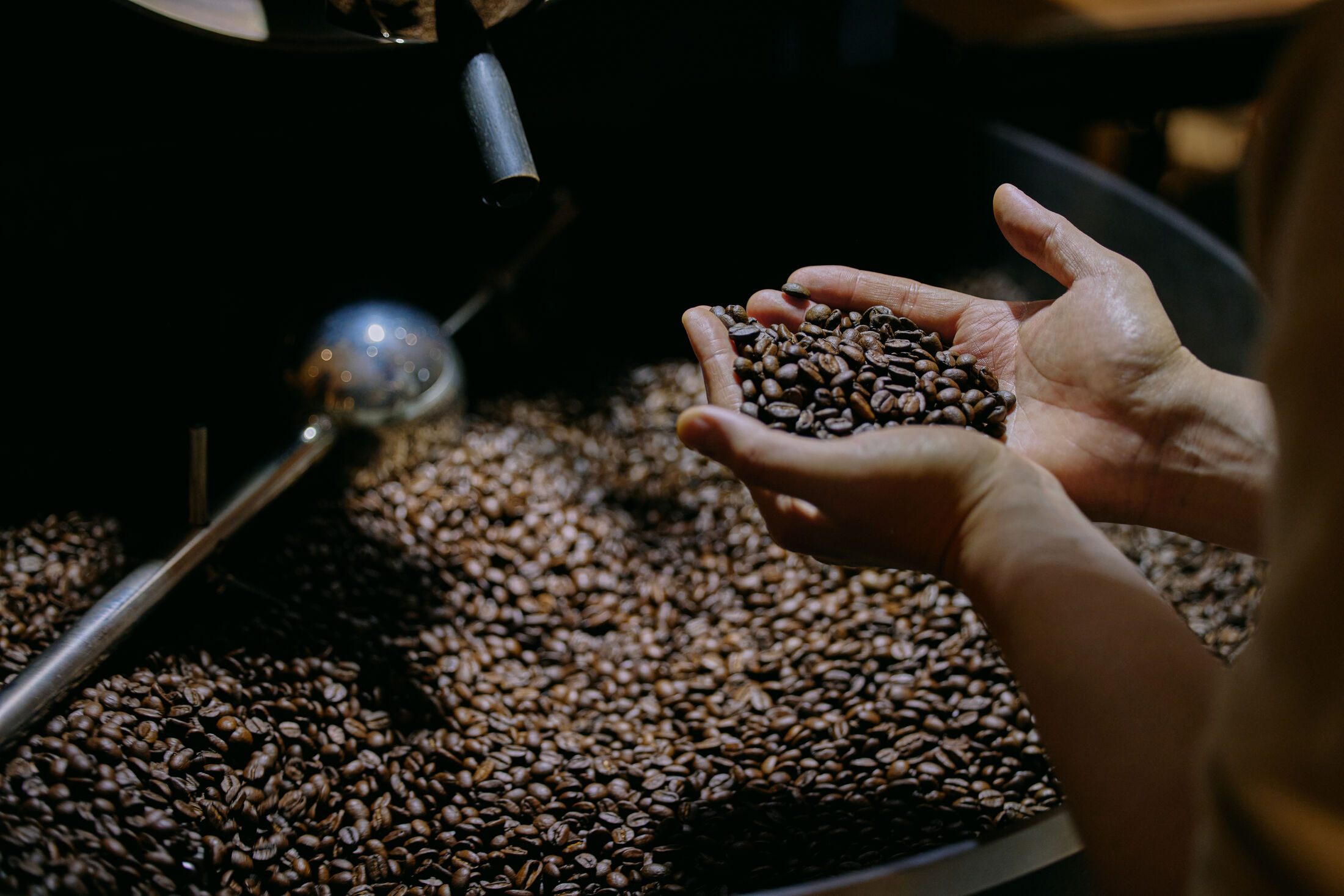
An idea that began with broth needs to be tested against what people actually enjoy. At Gongdeok, which opened in August 2018, we keep learning from the coffees our guests choose.
The same thinking guides our espresso-based drinks, including americanos. It is especially visible in our hand-brewed coffee.
We use 23 grams of medium-roasted coffee and the bypass method: brewing a concentrate, then adding water to adjust its strength. A selection of single origins lets guests choose the flavor they want that day.
All our hand-brewed coffees are offered at the same price. Keeping the price consistent removes one difference between the options and helps us better understand our guests’ preferences.
Basis: POS sales data from Pomellow Bean Gongdeok. Service and drip bags excluded; hot, iced, in-store and takeaway combined; 20oz americanos included. 2026 covers January 1–October 31.
Sales records show what was chosen, though not why. This is also the record of a single store. We keep looking for the reasons in the conversations we have with guests there.
See the Gongdeok record →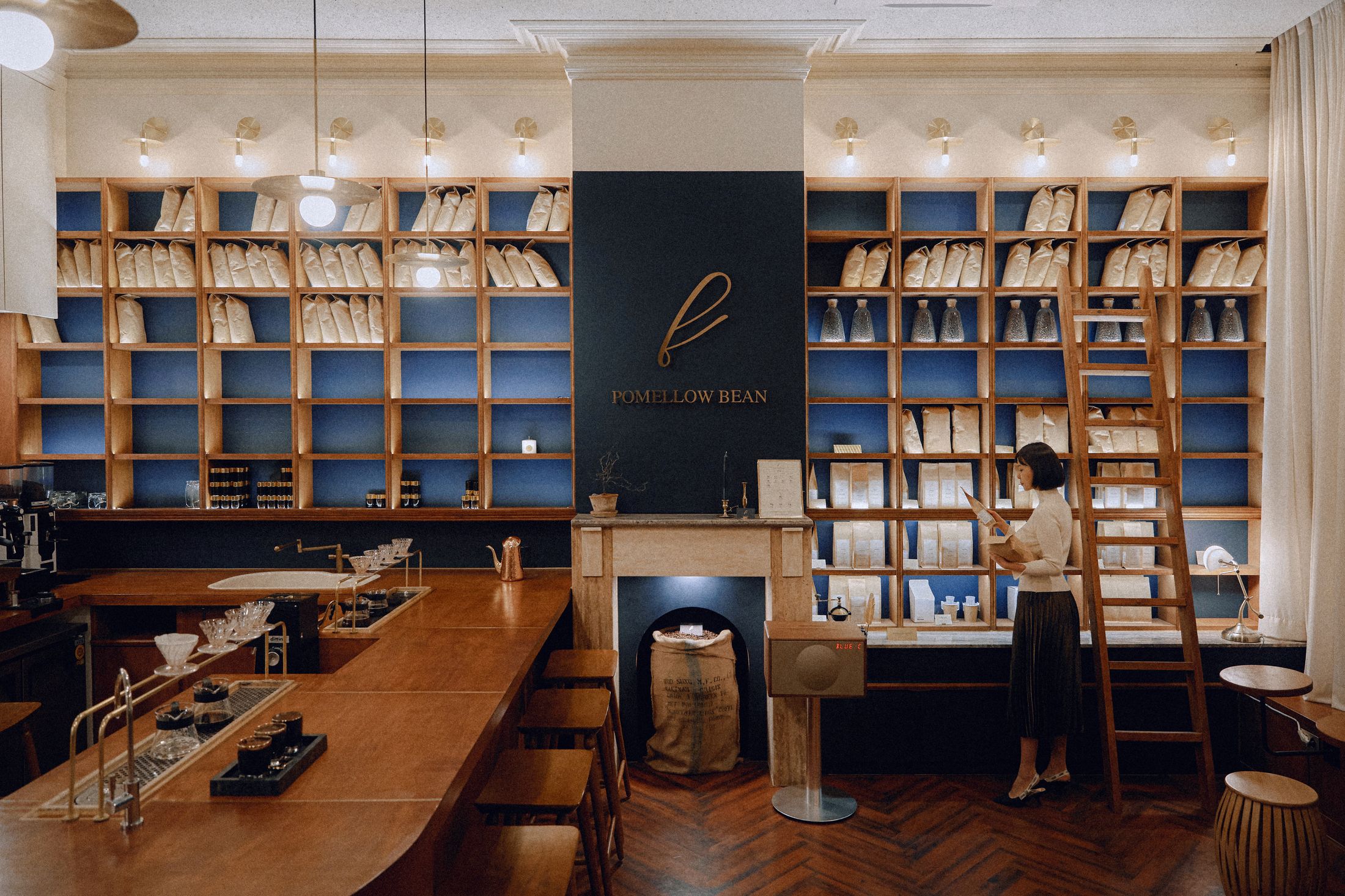
For us, Korean coffee begins with an understanding of contemporary coffee and takes shape through the conditions in which we work.
We monitor our beans, our roasting environment, and our brewing conditions through the changing seasons. We record what changes, taste the results, and adjust our approach while keeping the same standards for the cup.
Alongside this practical work is a palate—and a vocabulary—shaped by the food we grew up with. Bringing these together is how we develop our own expression of Korean coffee.
It is one expression among many, not a definition of what all Korean coffee should be. We hope the cafés that serve our beans will make it part of their own work, whether by following our recipes or adapting them for their guests.
What matters is that the coffee finds a place in the lives of the people who drink it.

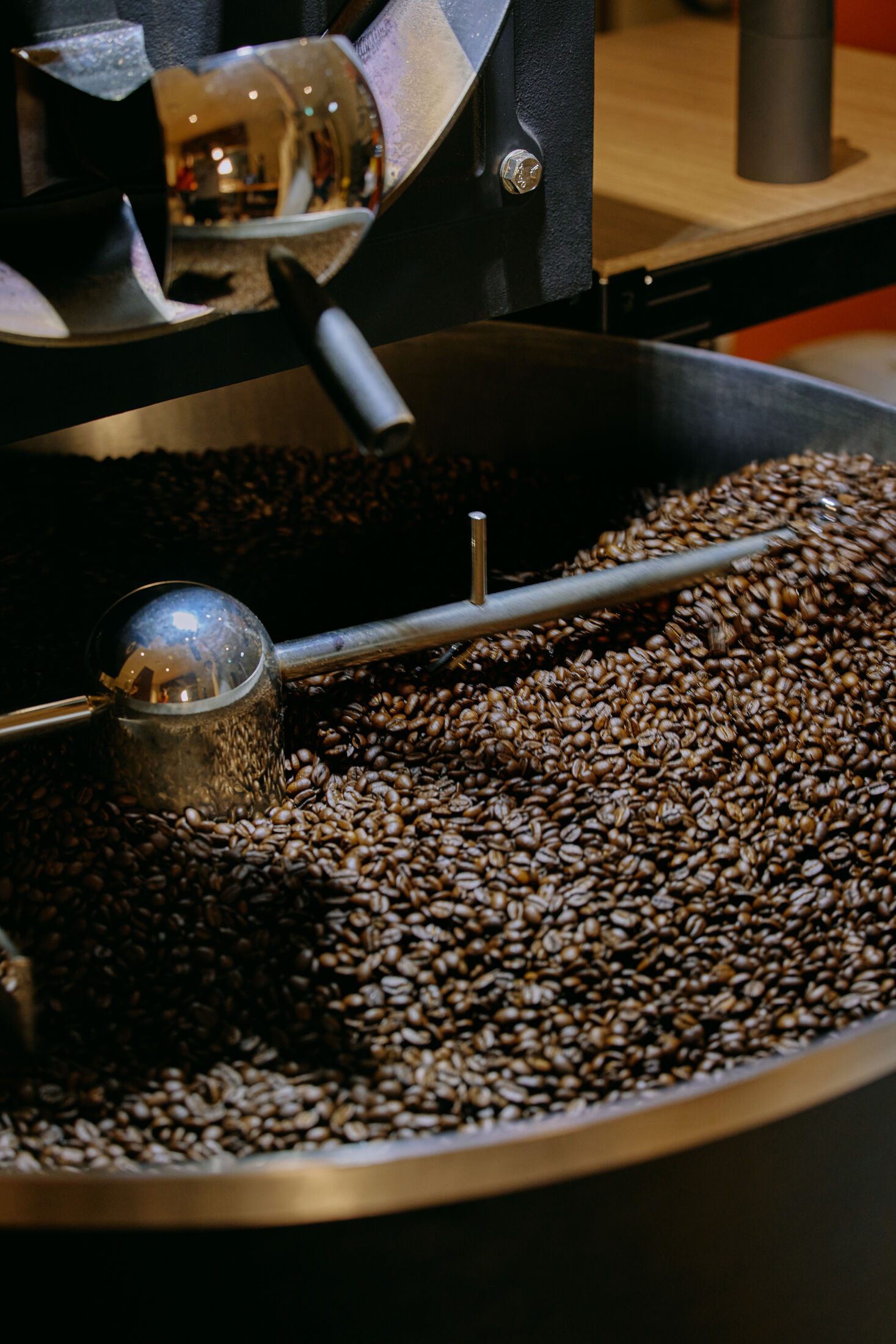
Developing Flavor Through Heat
We approach coffee through hwasik: seeing it as food whose flavor is developed through cooking.
As with simmering gomtang or grilling fish, we seek to understand the ingredient and give it the heat it needs. With medium roasting as our reference point, we aim to apply ample heat without scorching the beans, developing a clear character, rich sweetness, and full texture.
Brewing then brings those qualities into the finished drink.