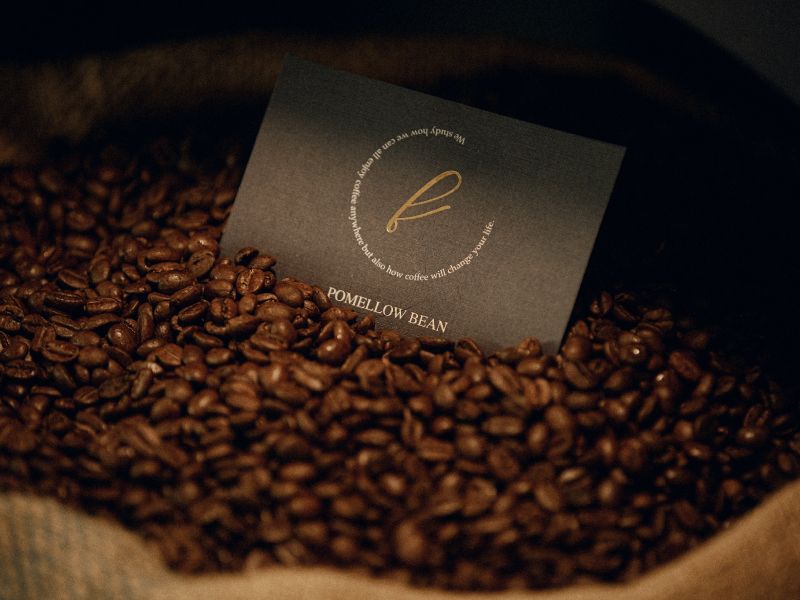
Pomellow Bean is a coffee bean company.
We began in 2015 as a coffee roastery, and have since made drip bags, opened shops, made porcelain objects and spaces, and held Dahoe gatherings. The work has widened, but beans have always been at the centre.
What we have been looking for in that time is one face of Korean coffee. We watch which coffees people here enjoy now, and we build ways for that coffee to fit into daily life. The drip bag and the shops, the porcelain and the tea room, the Dahoe — each was a choice that followed from that work.
Pomellow Bean began as a roastery in 2015. What we have been looking for since is one face of Korean coffee.
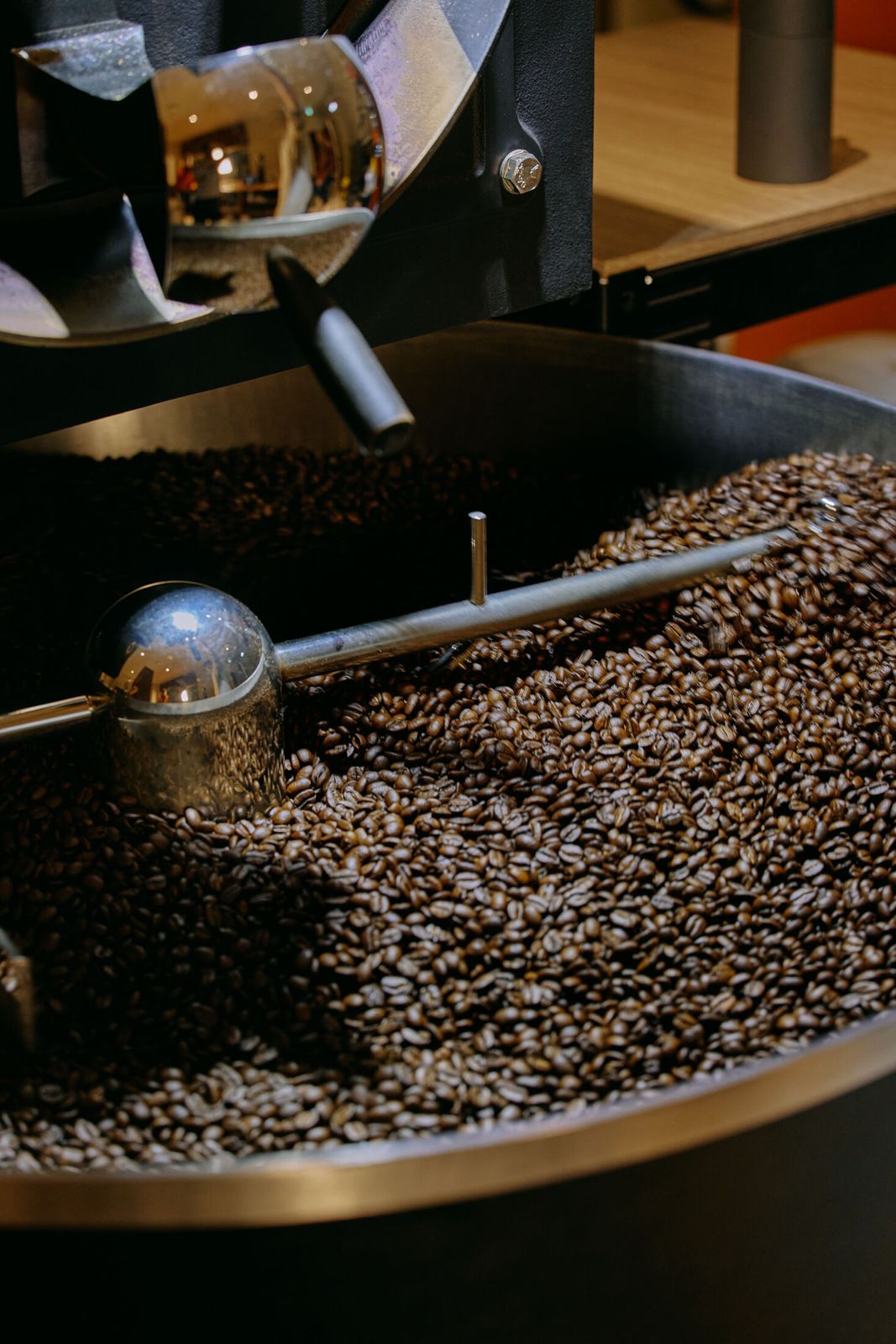
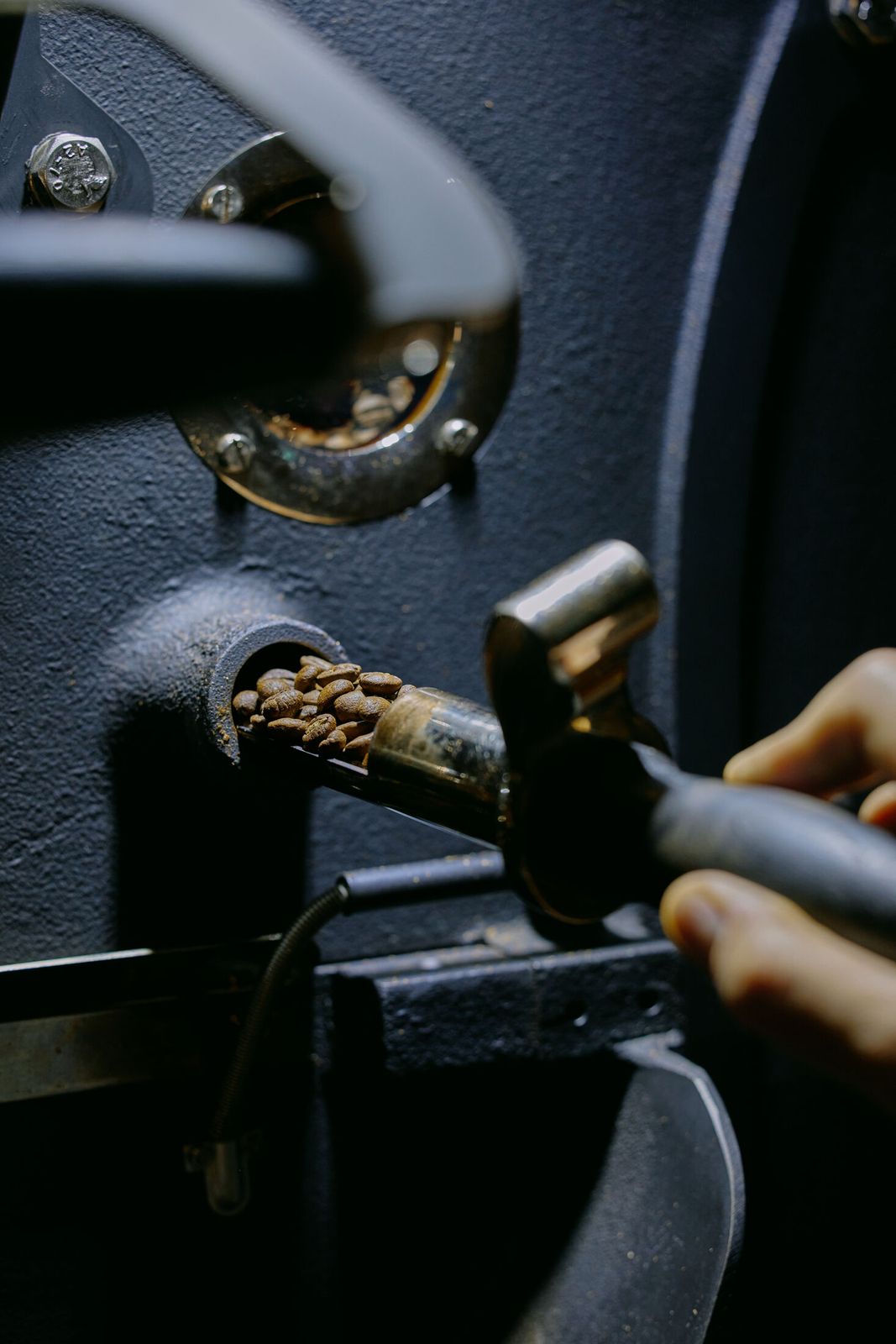
Pomellow Bean began as Orange Coffee Company, a roastery opened in 2015. We believed good beans make good coffee the way good ingredients make good food, so the first thing we focused on was choosing green beans and roasting them properly.
But beans roasted well at the factory often tasted different by the time they reached a guest’s cup. A small change in grind, dose or water temperature and the flavour we intended was gone — the same reason soup tastes different from house to house with the same ingredients.
Could the flavour we roasted reach the guest’s cup as it was meant to?
Beans do not stay in one place. They leave the factory for shops, homes, offices and other cities, and are brewed in someone else’s hands. The drip bag, our first product, came out of looking for an answer to that question.
Could the flavor we roasted reach the guest's cup as it was meant to?
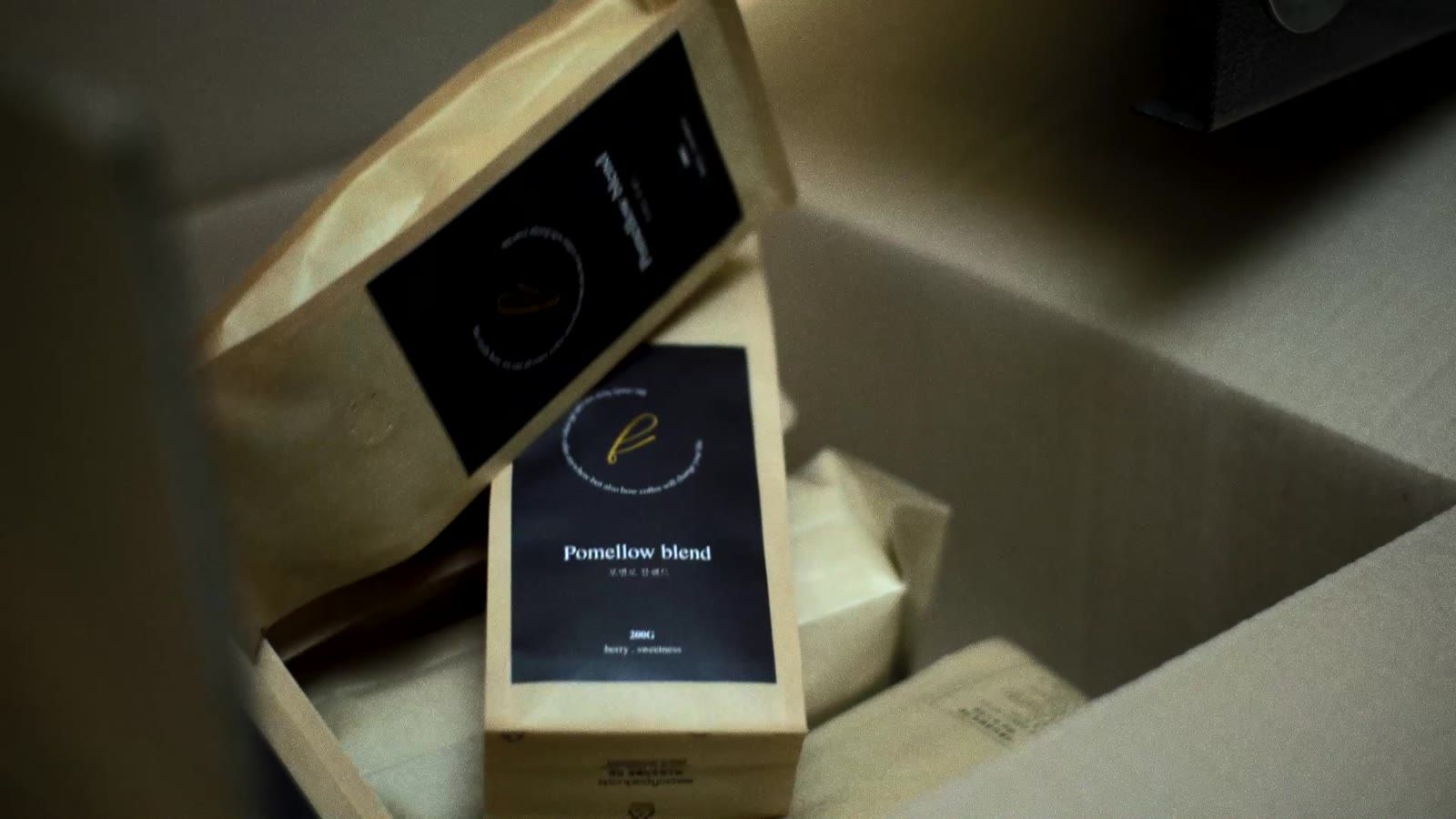
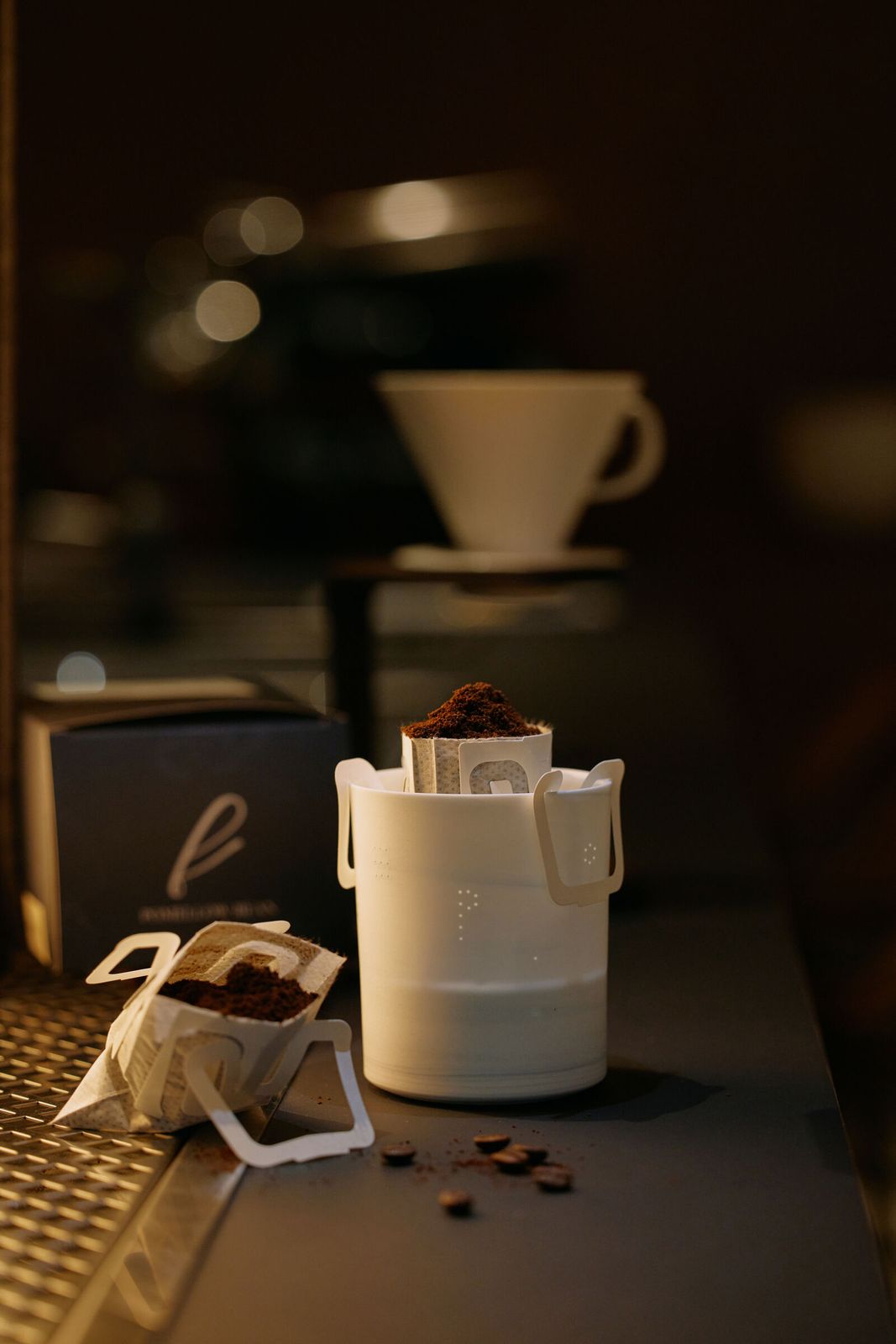
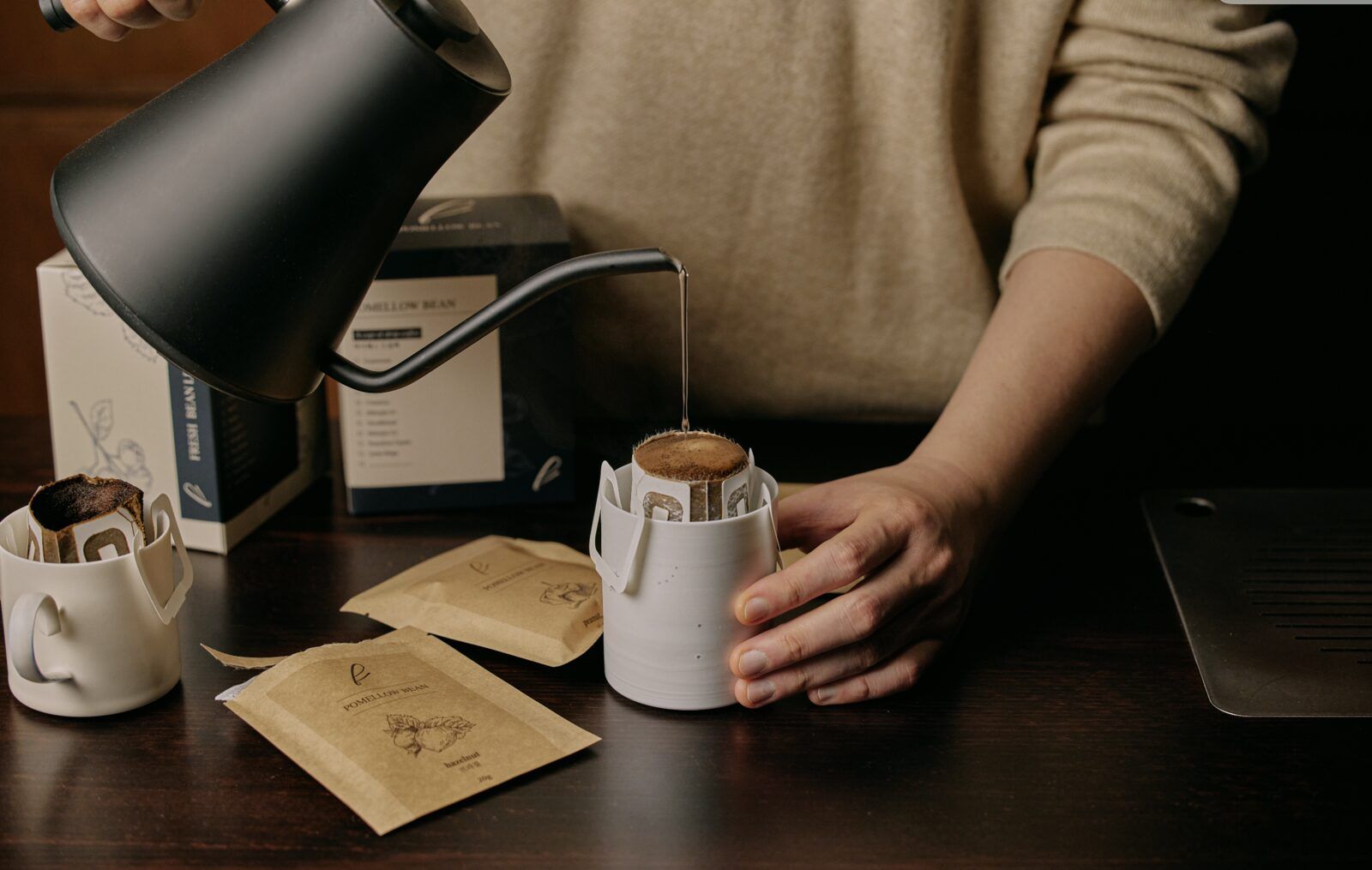
The first product under the name Pomellow Bean was a drip bag. Before we had a shop, the drip bag was almost the only way to deliver the flavour we intended. So we sent the recipe along with the beans.
The brewing method came from anchovy stock. Just as a strong stock uses plenty of anchovies and a short boil, we put in plenty of coffee, draw a short, strong concentrate, then add water to bring it to strength. We call this the bypass method.
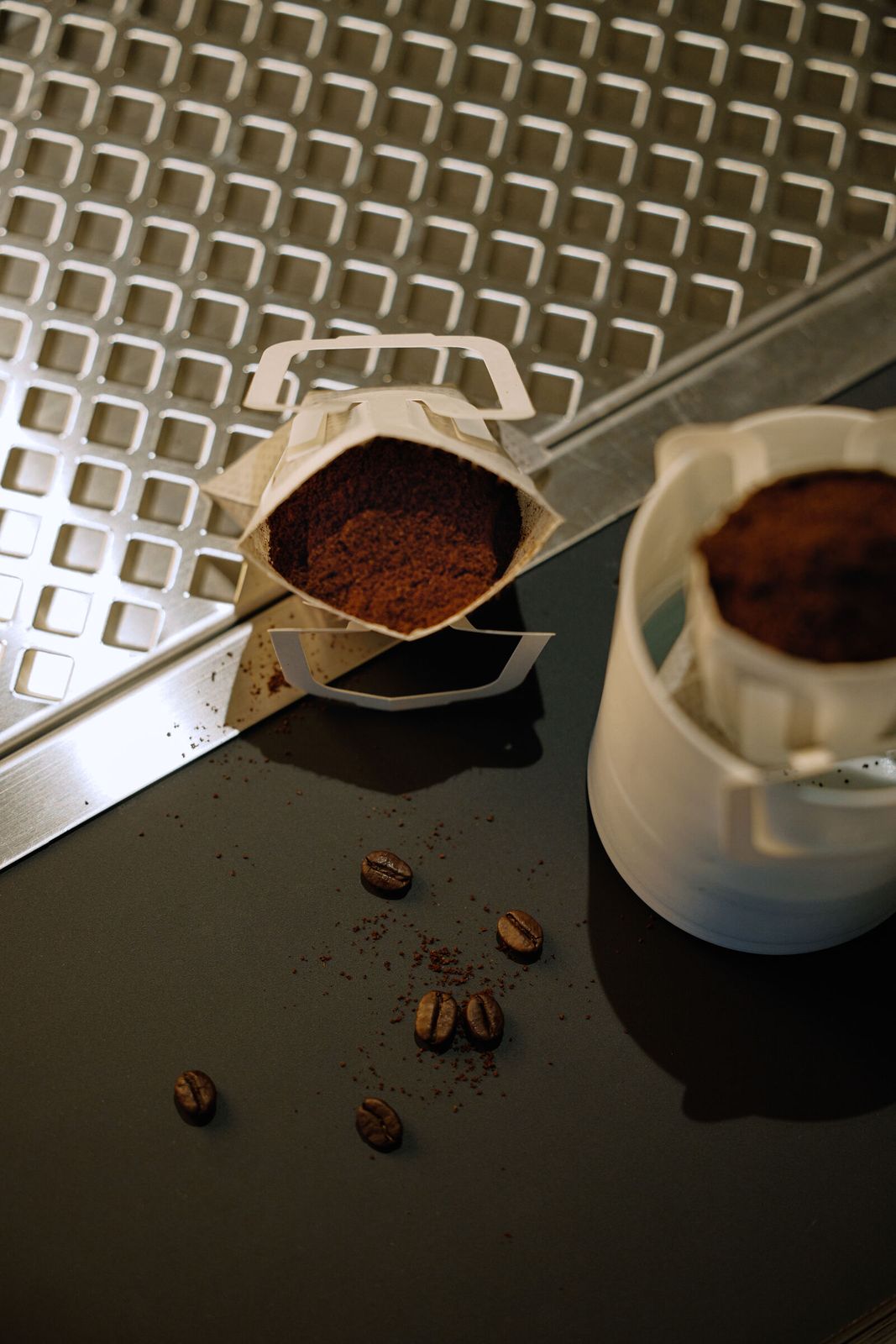
Drip bags on the market then held 8 to 10 g of coffee. We increased the amount little by little and tasted as we went, and found the best flavour at 18 g. That dose could not be packed by machine, so for a while we made every bag by hand. Later we had a machine built to take a larger filter, and increased the dose to 20 g.
We also sent a paper cup printed with measures so the water could be poured correctly. A paper cup hides its inside, so we added a thermochromic sticker that changes colour as hot water rises. Years later, that paper recipe cup was reborn as a porcelain object.
We still make drip bags on the morning an order comes in. The day starts by checking the beans against the day’s temperature and humidity and setting the grind again.
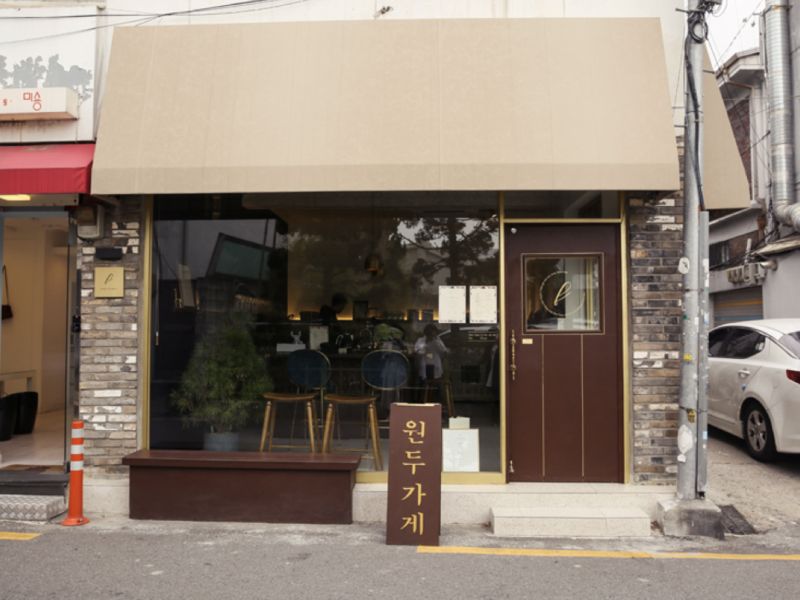
The first shop was a bean shop of a little over 8 pyeong on a corner in Yeonhui, near Sareo-gil. Instead of a conspicuous sign we set up a board reading “bean shop”, and gave more than half of the space to a bar. We wanted a shop where a guest could drink coffee while choosing beans, and take a flavour they liked home.
It was on the way home from the market and the bakery. A neighbourhood culture of buying good ingredients suited us, selling beans as if they were an ingredient.
Sitting across the bar from a guest, talking with them, we could see up close which flavours they liked and which beans they came back for. The first standard for the flavour we were looking for was set at that small bar.
Around then we called the coffee we aimed for Contemporary Classic. Green bean handling was improving and each coffee’s character was becoming clearer; we wanted to bring that character out and still make something comfortably drinkable every day.
“Bringing out the varied, good character of modern coffee, with restrained acidity and a balance of soft sweetness.”
From an introduction Pomellow Bean wrote at the time.
An eight-pyeong bar where people came for beans, as they would for good groceries.
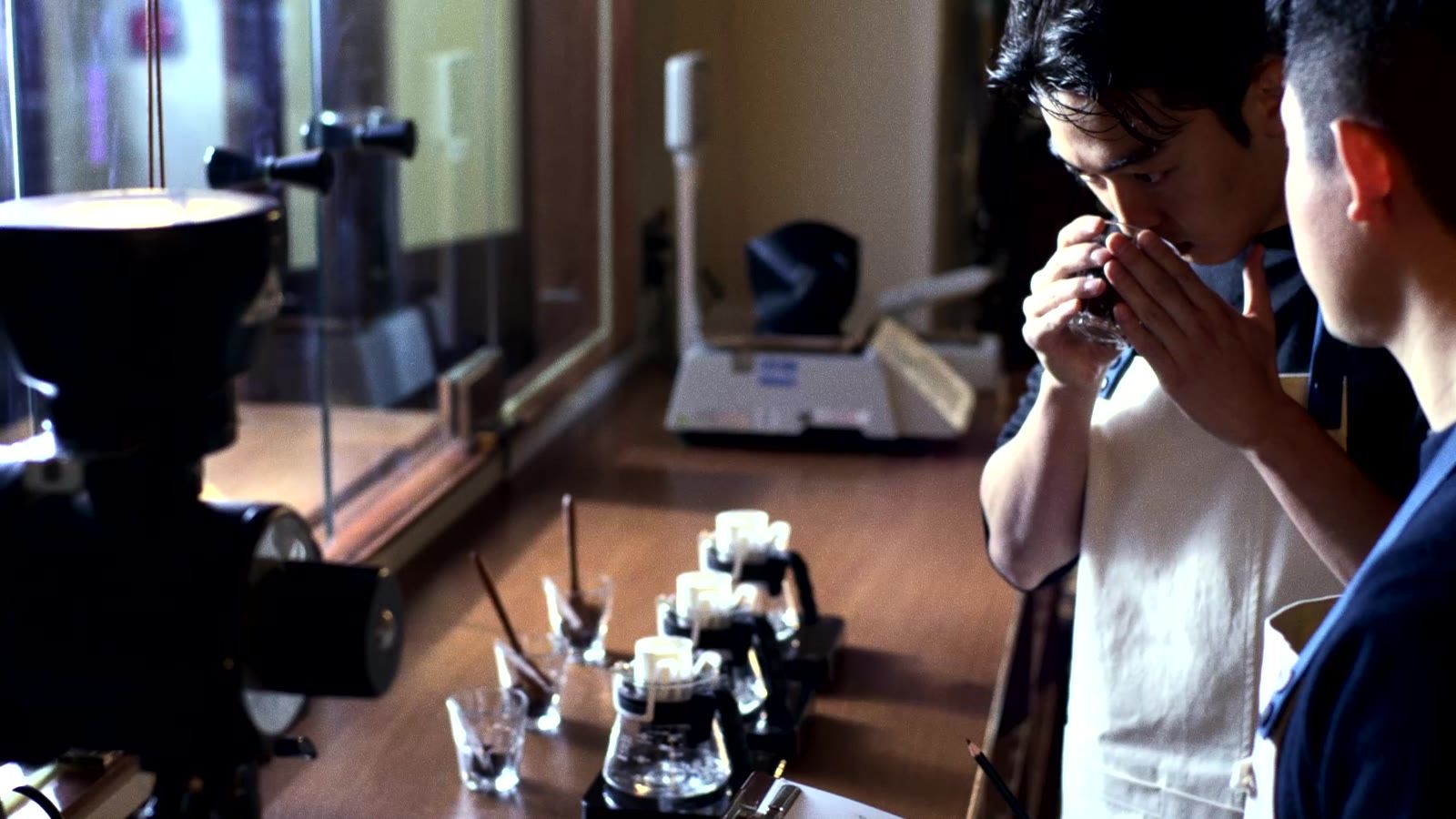
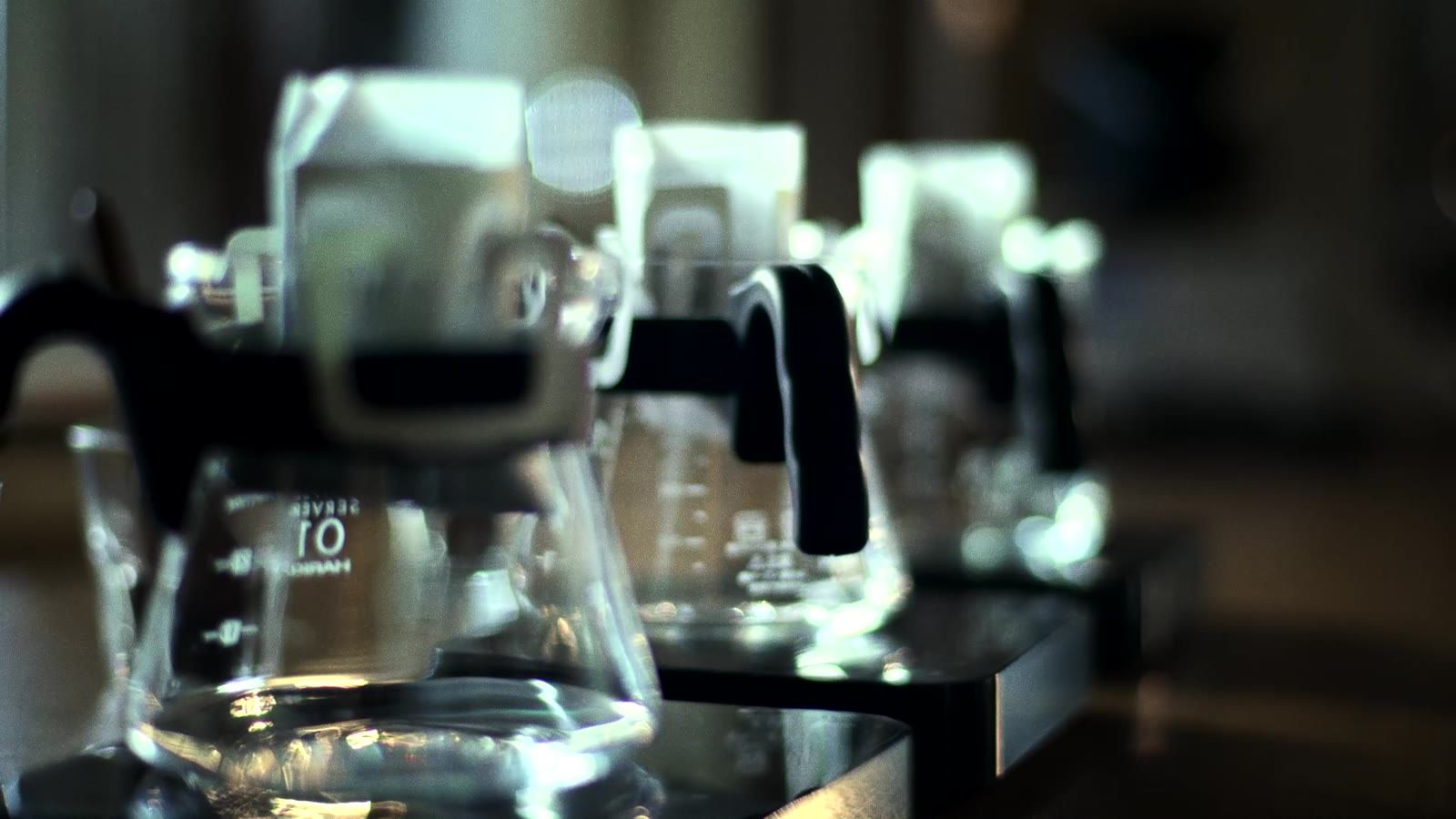
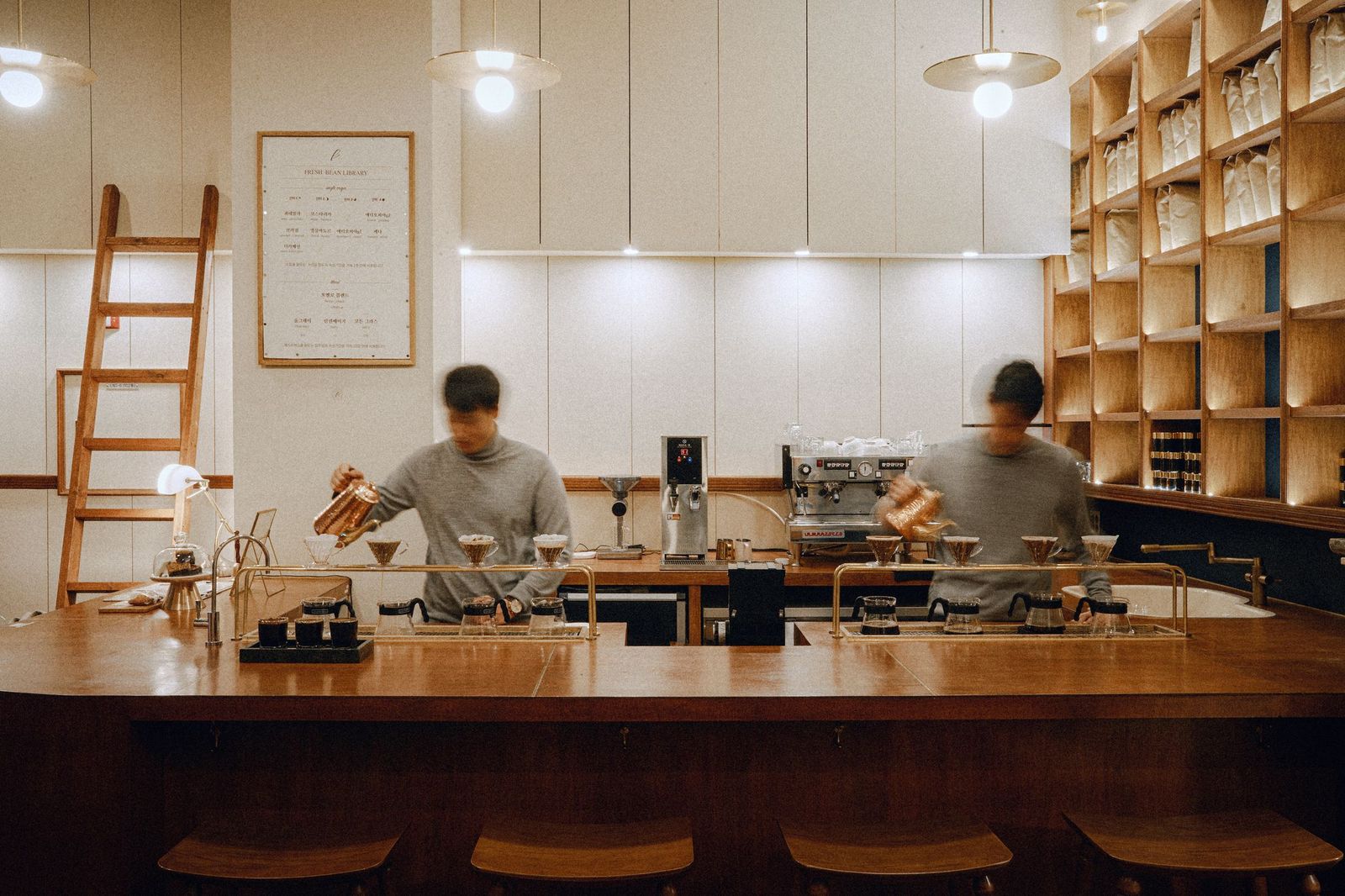
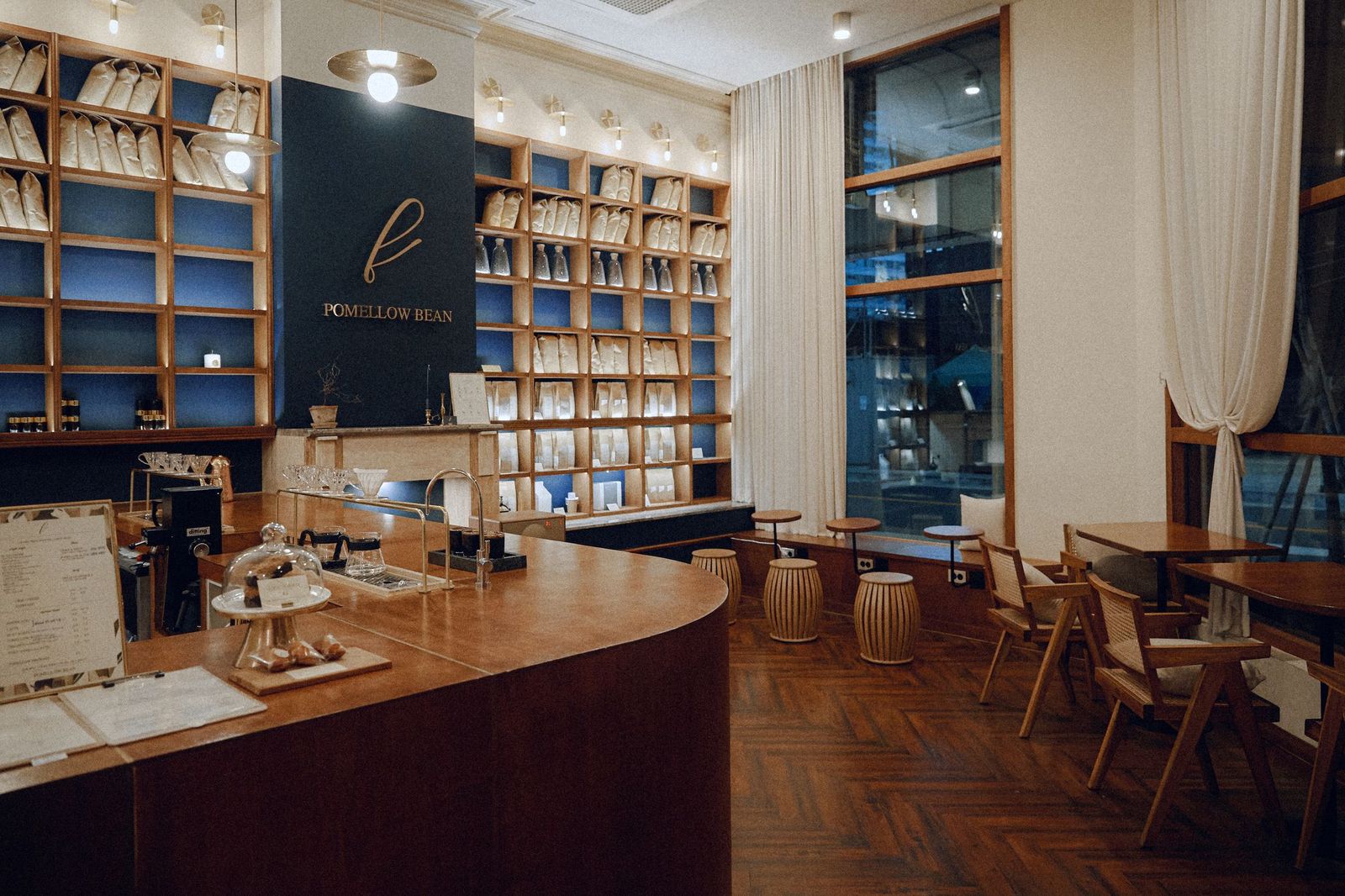
We wanted to see whether the flavour found in Yeonhui would work in a busy office district. In August 2018 we opened Gongdeok, beside Gyeongui Line Forest Park.
As the name Fresh Bean Library suggests, beans are displayed like books in a library so several can be compared and chosen. The bar and its flow were planned so that a pour-over can be served quickly even at busy lunchtime. With a Hario V60 and a scale, a cup takes a little over a minute.
What we have watched at Gongdeok is which coffee people in Korea enjoy in daily life: which flavours they look for, which coffees they order again, and which beans they take home after drinking. Every day’s orders become the answer.
From November 2025 to October 2026, over one year, Gongdeok sold 32,736 pour-overs and 23,682 americanos. In the same period beans and drip bags made up about one third of revenue.
Drinking pour-over and buying beans happen together in one shop. In this record we see the direction we wanted — that a coffee chosen in the shop can be enjoyed in each person’s daily life.
Teaching many baristas in a busy shop and keeping the flavour steady became today’s training programme, and the drip system that serves many cups quickly became the basis of our later hand-drip pop-ups. Here we also learned that to keep a flavour for a long time, a place that grows people is needed before more shops.
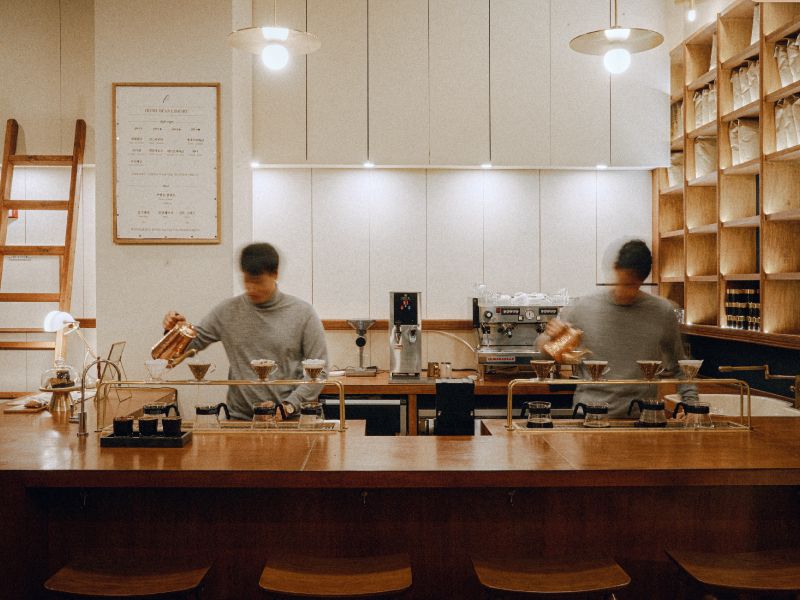
Once Gongdeok had settled, we chose to move and enlarge the roastery rather than open another shop. Rising volume needed space, but the bigger reason was people. The more shops and sales grow, the harder consistency of flavour is to keep, and that consistency needs baristas who understand Pomellow Bean coffee.
So we put the centre for hiring and teaching in Yongsan, which is easy to reach. It was also a good place to watch Seoul’s fast-changing coffee up close and to keep checking how guests enjoy coffee now.
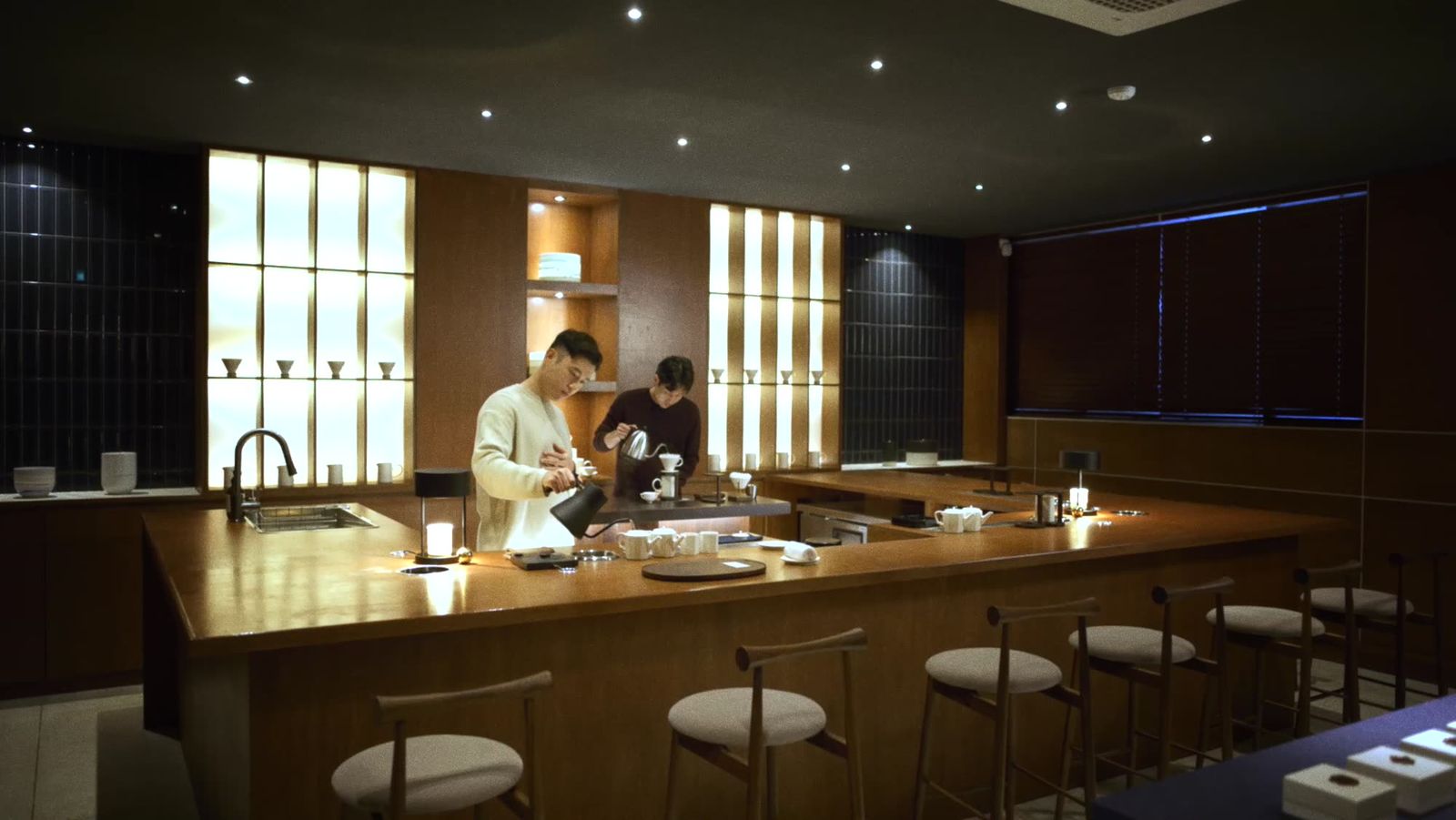
The Yongsan HQ brings together a roastery, a tea room for guests and a space for training.
Alongside staff training we run hand-drip classes and an SCA certification course, and in 2025 we began a professional course centred on the VIP Course.
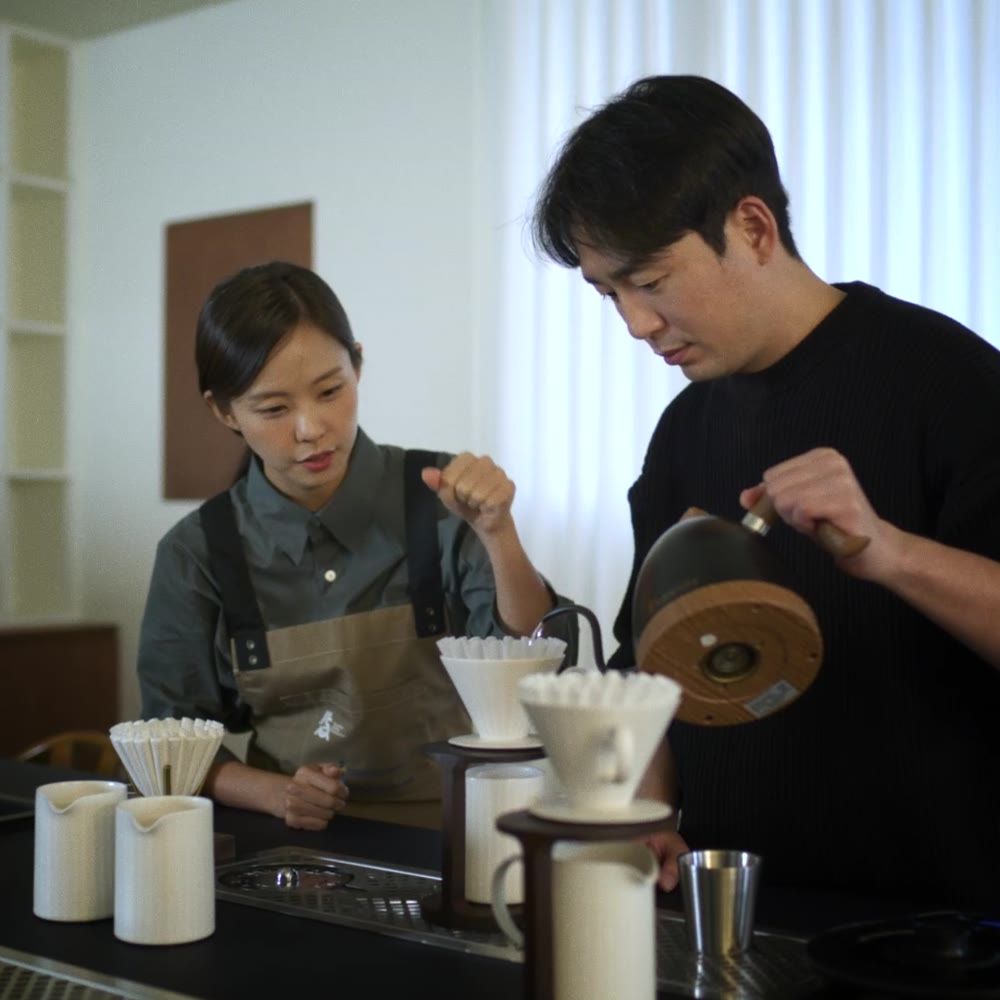
Moving to Yongsan, we set the brand out again. Flavour alone made it hard to show the Korea we have in mind now. So we chose to speak through porcelain and wood that hold and pour coffee, and through a tea room that holds all of it. It started with the paper recipe cup we used to send with drip bags.
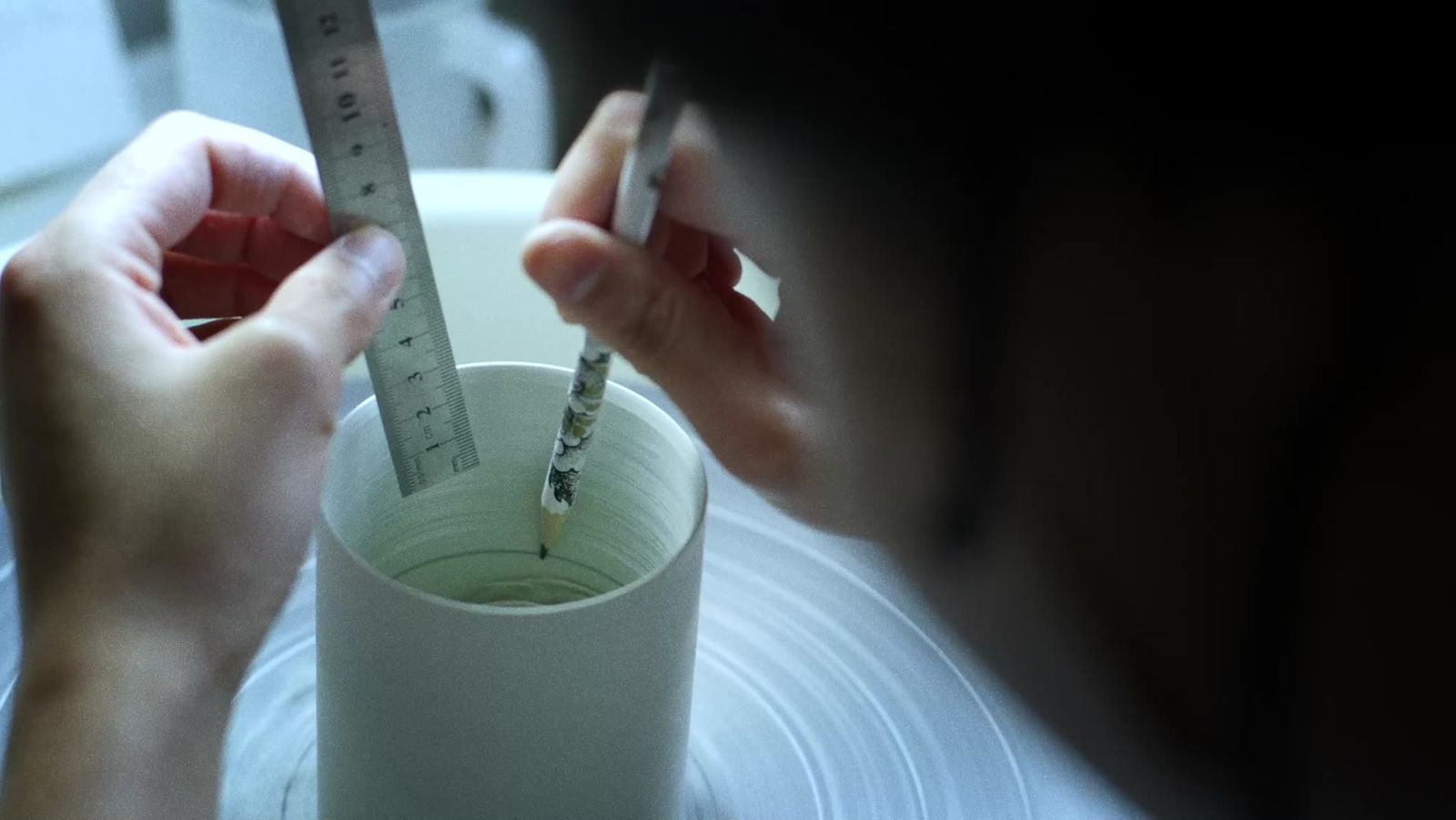
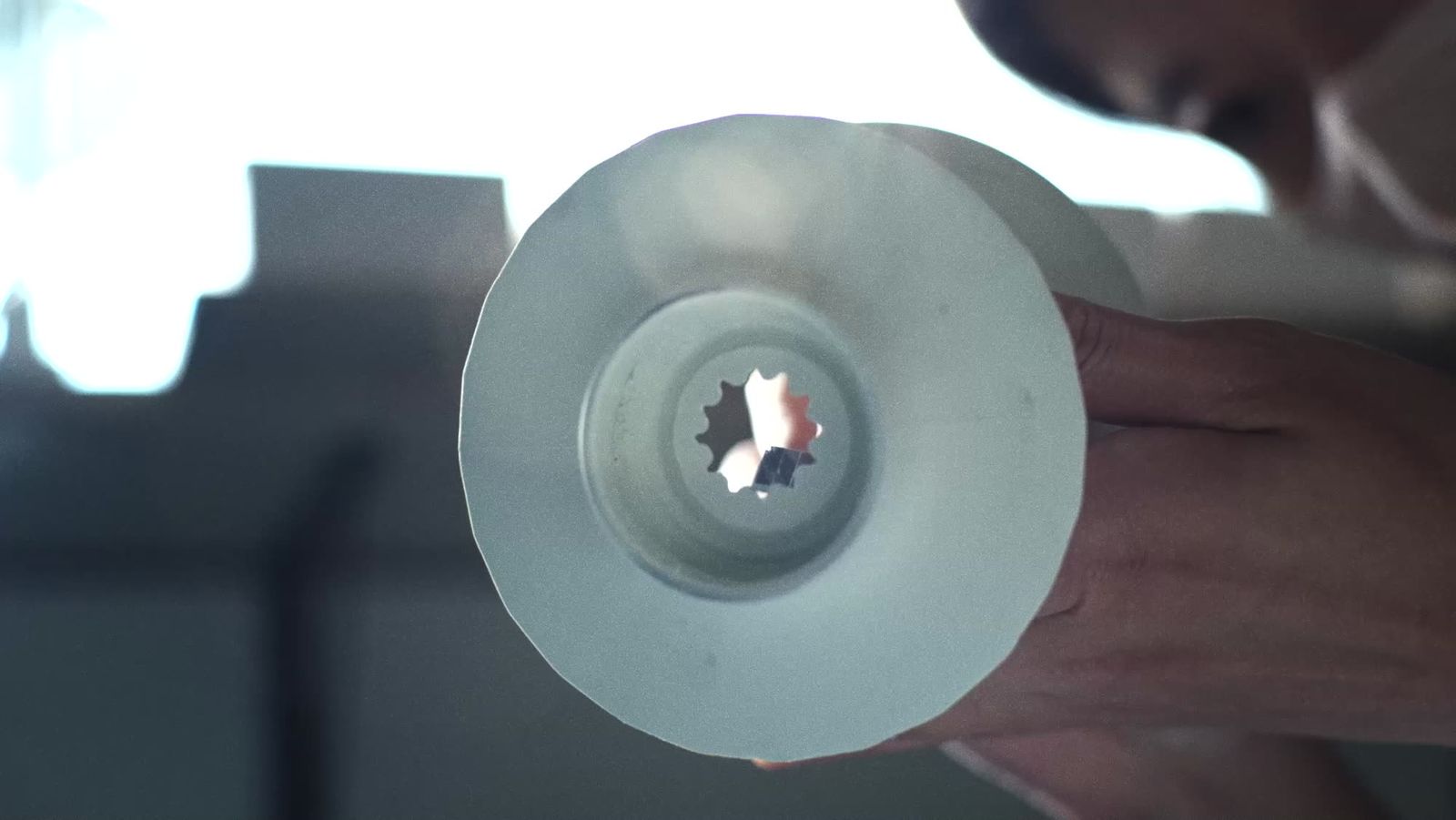
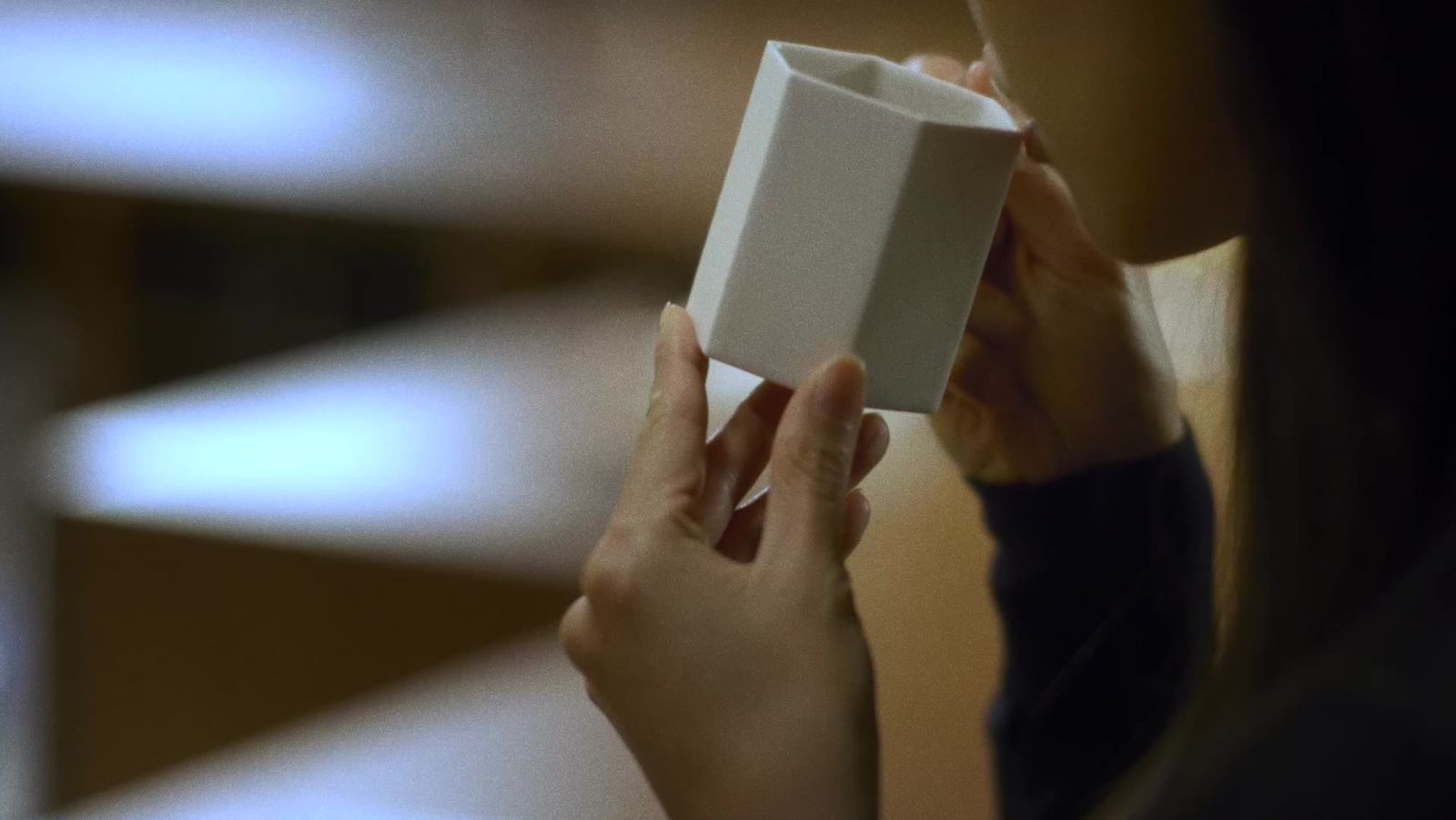
With Lee In-hwa of Studio Soman we re-formed that cup as a porcelain object. Using a porcelain clay that lets light through, the rising water level can be seen from outside the cup, and the recipe’s measures became small holes pierced at set heights.
What the measures and the thermochromic sticker did on paper, porcelain now does. The porcelain recipe cup is being prepared for release.
The lines drawn on a paper cup became small holes in white porcelain.
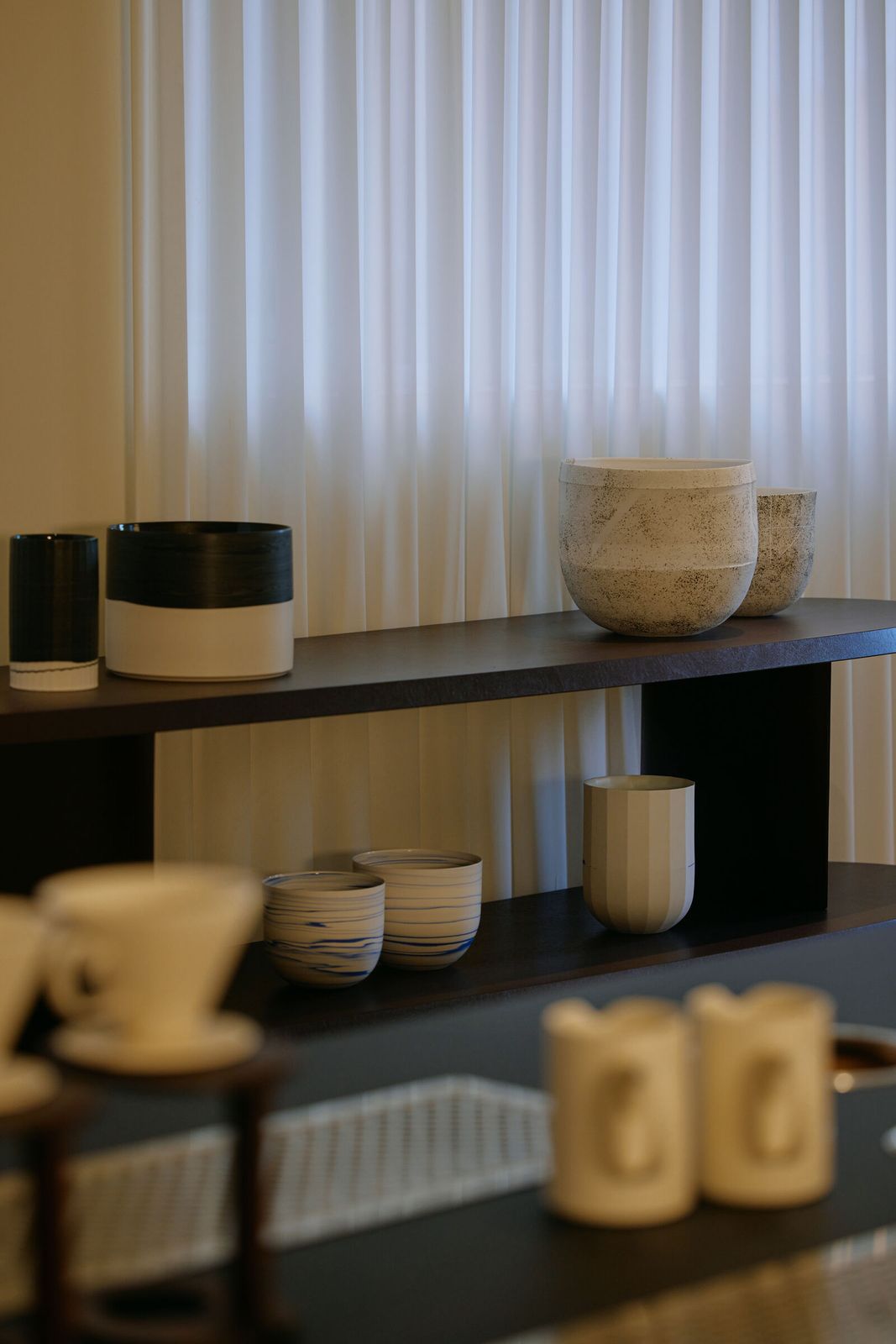
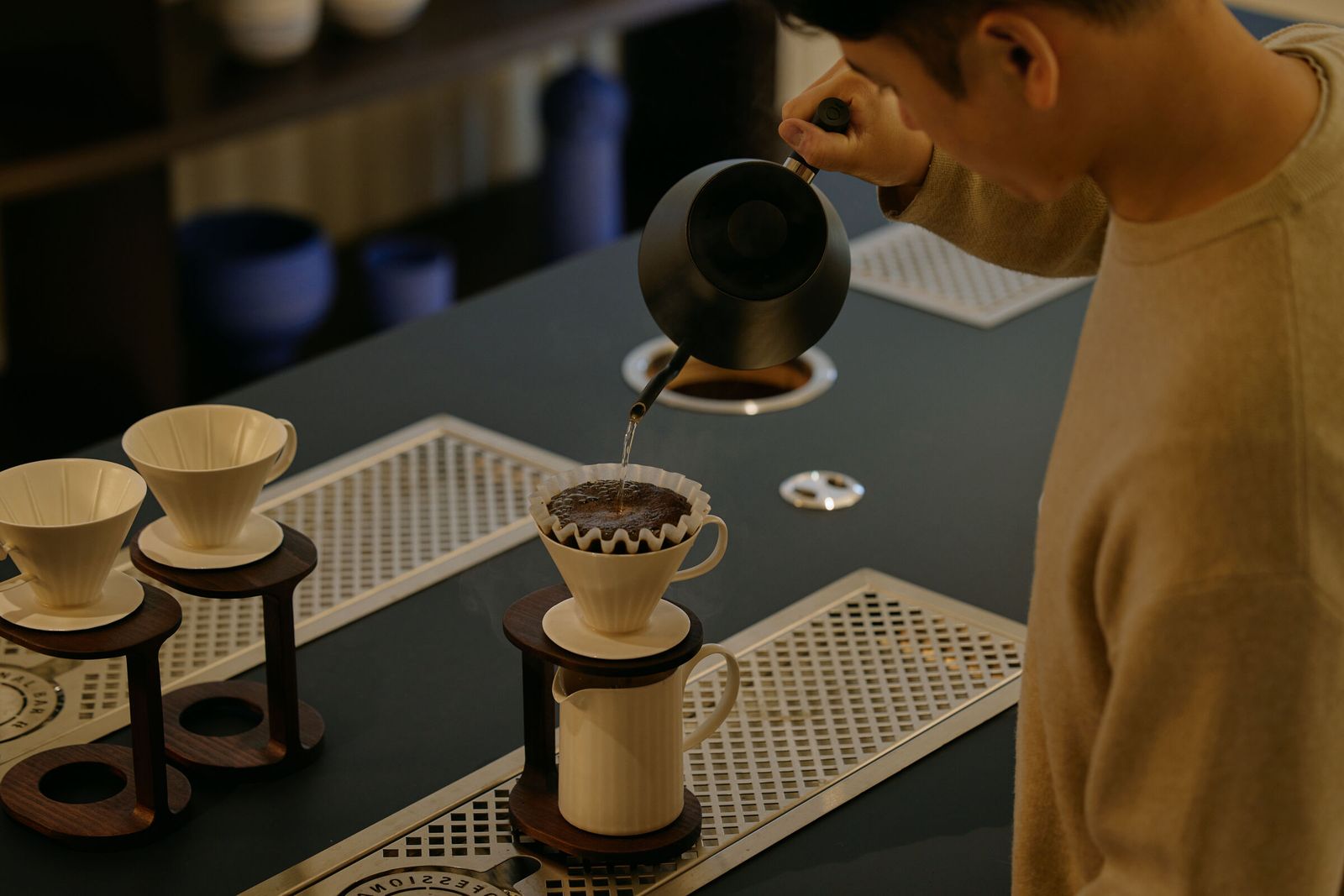
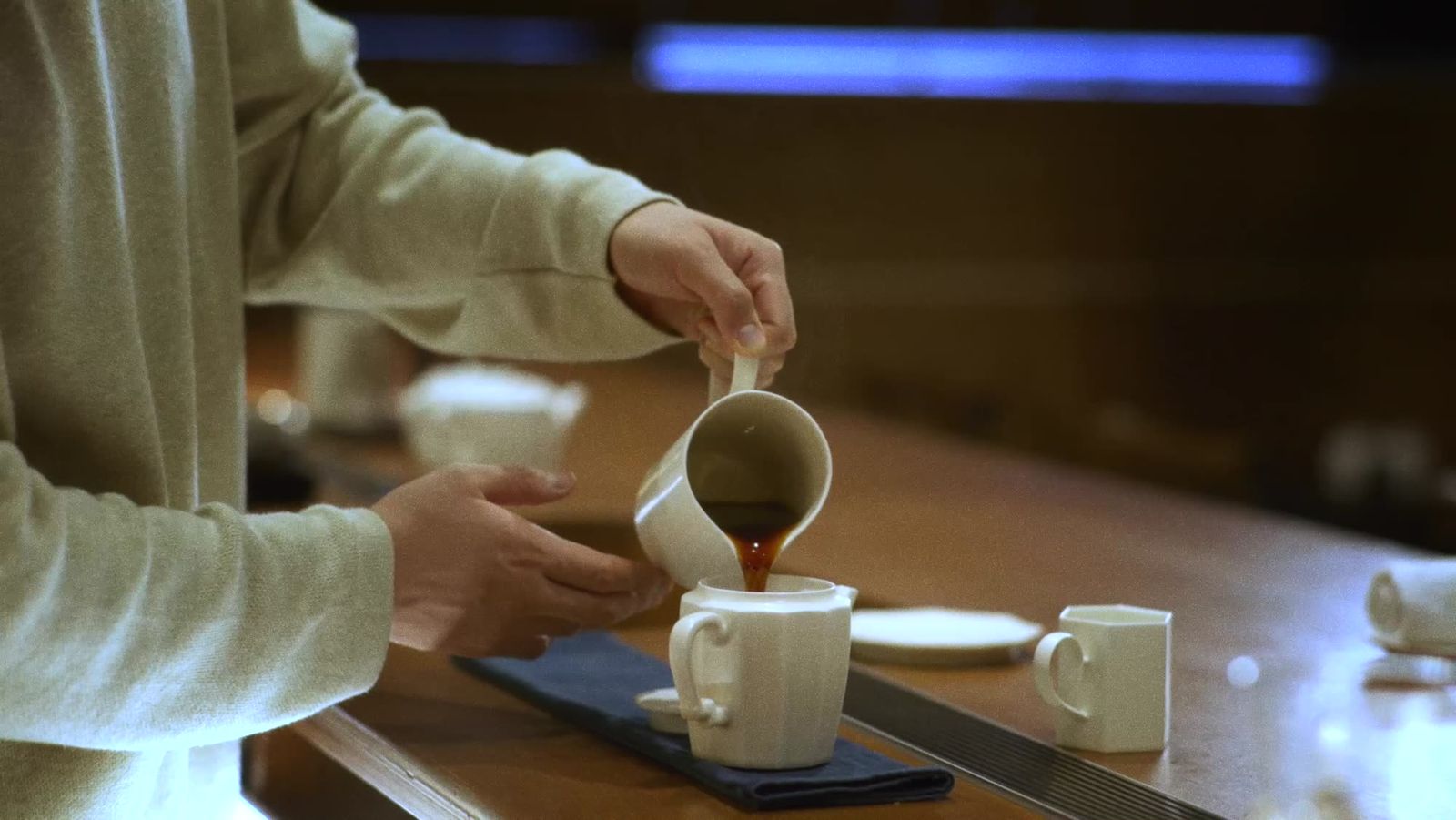
The tea room’s drip station and furniture were made by Cho Byung-ju of Flyworks. He visited the tea room several times to study the light and the flow, and built a drip station whose server and dripper heights match the bar table.
The white of porcelain and the grain of wood meet on one table.
Through this work we began to call the coffee we aim for Korean Contemporary — Korean and modern. The first word changed from Contemporary Classic in 2017. The contemporary part, watching how people enjoy coffee now, has not changed.
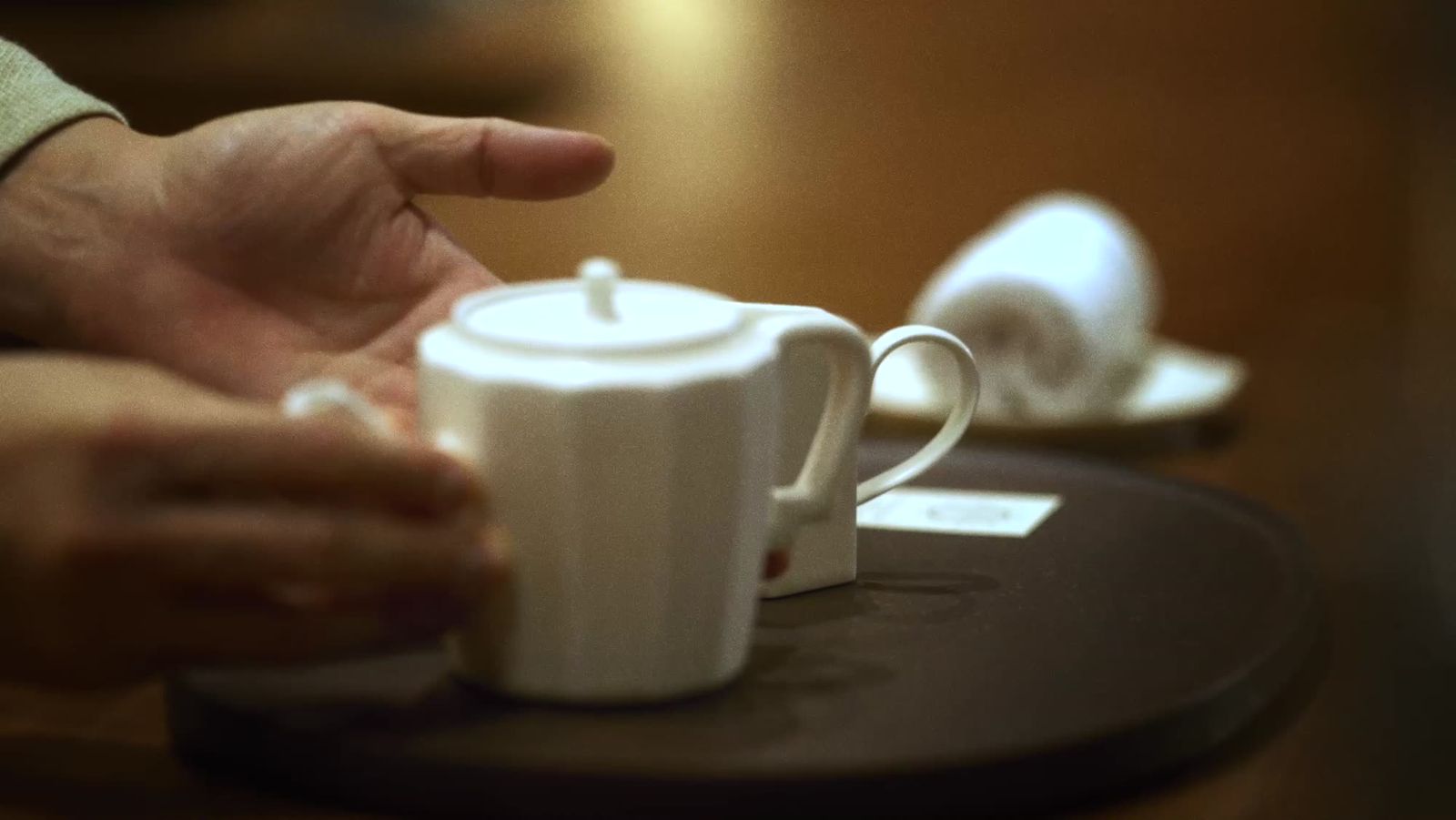
While working on the recipe, the porcelain and the tea room, our interest carried on to the time spent drinking coffee inside them.
It began as a coffee ceremony, inspired by the Ethiopian culture of serving coffee to guests. As the ceremony continued we felt that, more than being served, it matters that a guest gives themselves that time. After looking at Korean tea rites and the Japanese tea ceremony, we came to hold the Dahoe we hold now.
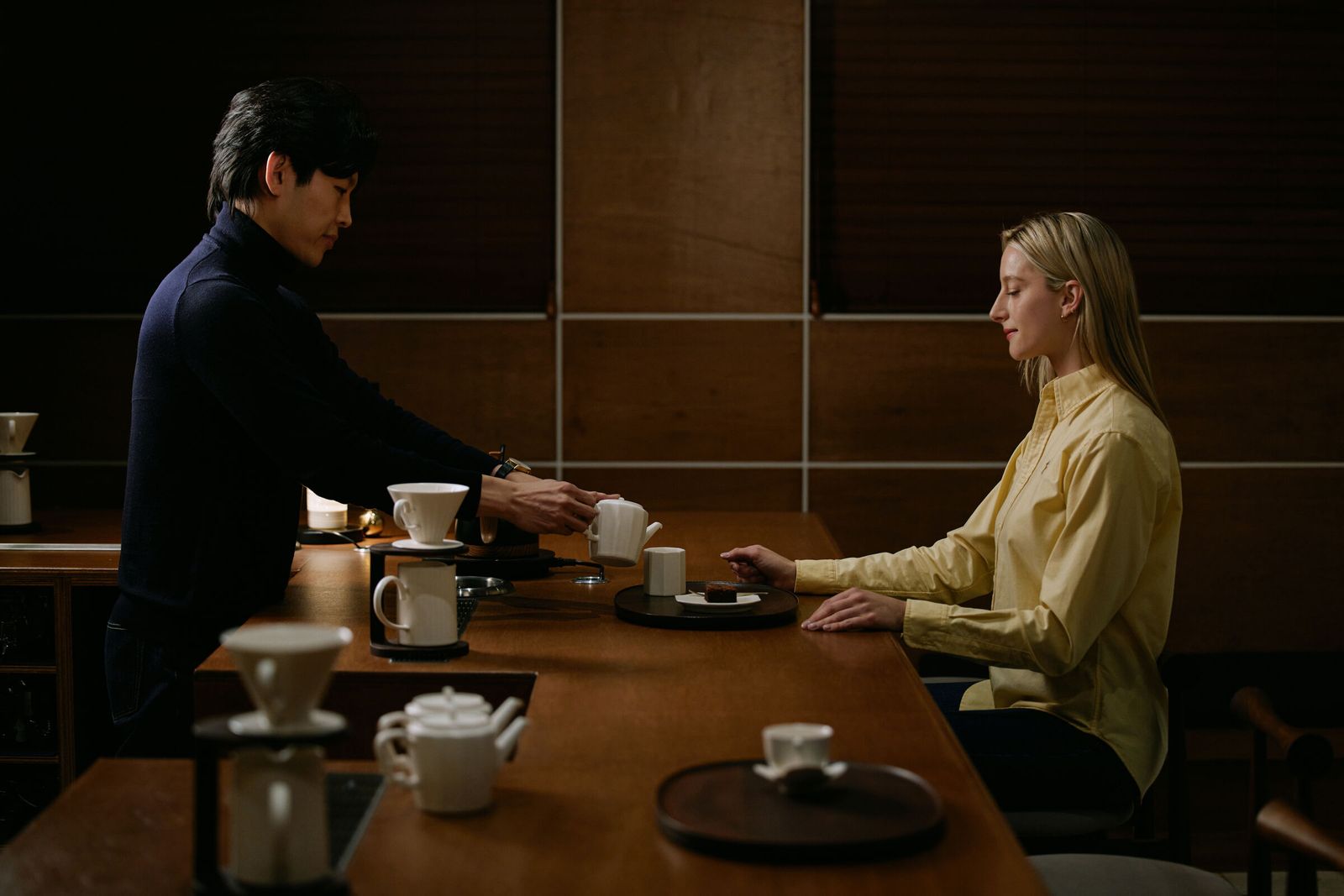
A Dahoe handles tea and also sets coffee in that place; it follows a composed flow while holding music, porcelain and conversation together. If confirming the flavour of daily life at Gongdeok is proof, Dahoe is a place of creation, imagining how that flavour is enjoyed.
A gathering where time is given to a single cup.
If coffee has long been Korean, how are we enjoying coffee now?
Dahoe starts from that question. Four things are kept at a Dahoe.
The flavour we began looking for in 2017 as Contemporary Classic we now set out through the idea of hwasik (火食) — food finished by fire. Like gomtang boiled in an iron pot or fish grilled over an open fire, we see coffee as food whose flavour fire completes. With medium roasting as the base, we pass enough heat to bring out the bean’s character, sweetness and texture together.
The work has widened, but beans are still at the centre. Which flavour to roast for, how that flavour can be enjoyed easily, what time a single cup can make in a day. We work on these questions while making beans.
We keep refining one face of the coffee enjoyed in Korea now, and want to carry it to daily life further away.
This is why we still keep the motto we set in 2015, when we started as a coffee bean company.
Ways to enjoy coffee anywhere, and
the daily life of yours that coffee will change.
We research ways to enjoy coffee anywhere, and how coffee may change your everyday life.