
About Pomellow Bean — Korean Contemporary Coffee
한국적이며 현대적인 커피
우리의 미감으로 현대적인 커피를 해석합니다.
We interpret contemporary coffee through our own sense of taste.
Broth · Nongmil · GanPomellow Bean, Seoul
우리의 미감으로 현대적인 커피를 해석합니다.
We interpret contemporary coffee through our own sense of taste.
'한국적인 커피'라는 말이 처음에는 어색하게 들릴 수 있습니다. 커피는 밖에서 들어온 음료이니까요. 그런데 잘 익은 열매에서 얻은 콩을 볶고, 곱게 갈아 물에 우려내는 일은 방앗간이나 집 부엌에서 늘 보던 장면과 많이 닮아 있습니다.
이제 커피는 많은 분들의 하루에 자리 잡았습니다. 원두를 다루고 커피를 내리는 사람으로서, 저희는 이 음료를 저희가 익숙한 맛의 감각으로 다시 읽어 볼 때가 되었다고 생각했습니다.
이 말을 쓰기 시작한 지 몇 해가 지났지만, 저희는 아직 이 정의를 닫지 않았습니다. 매장에서 손님을 만나며 고쳐 가는 말로 두고 있습니다.
“Korean coffee” may sound unfamiliar at first. Coffee came from elsewhere. Yet roasting beans from ripe fruit, grinding them fine, and steeping them in water closely resembles scenes long familiar from the neighborhood mill and the home kitchen.
Coffee is now part of many people's day. As people who roast and brew, we felt it was time to read this drink again through the sense of taste we know best. We have used the phrase for several years, and we still keep its definition open—something we continue to refine as we meet guests in our store.
저희는 지금의 스페셜티 커피에서 출발합니다. 산지와 품종, 가공 방식이 만들어 내는 다채로운 캐릭터를 존중하고, 그 가치를 높이 평가합니다.
산미도 마찬가지입니다. 산미는 맛을 돋우고 균형을 잡는 데 큰 몫을 합니다. 저희는 산미를 저희가 그리는 맛을 표현하는 데 필요한 핵심 요소 가운데 하나로 씁니다.
다만 약하게 볶은 커피는 성분이 충분히 우러나지 않으면 연하게 느껴지거나, 의도하지 않은 신맛이 앞으로 나오기 쉽습니다. 미네랄이 적은 한국의 연수에서는 이런 경향이 더 커집니다.
We begin with today's specialty coffee. We respect the diverse character that origin, variety, and processing create, and we value it highly. The same goes for acidity: it lifts flavor and helps hold balance, and we treat it as one essential element in expressing the taste we seek.
Lightly roasted coffee, when not fully extracted, can taste thin or let unintended sourness come forward. Korea's soft, low-mineral water tends to amplify this.
그래서 저희는 지금의 커피가 가진 좋은 점을 받아들이면서, 그 위에 무엇을 맞출지 고민해 왔습니다. 그 판단에 기대는 기억이 있습니다.
So we embrace the strengths of contemporary coffee while asking what to season on top of it. For that judgment, we rely on a memory.
시작은 작은 관찰이었습니다. 어른들과 함께 카페에 가 보면, 산미가 있는 커피도 쓴맛이 도는 커피도 생각보다 잘 드십니다. 그런데 밍밍한 커피는 잘 드시지 않습니다.
왜 그럴까 생각하다 보니 국물에 닿았습니다. 저희는 어려서부터 진하고 좋은 국물을 숟가락으로 떠 마시며 자랐습니다. 그 감각이 커피를 고르는 입맛으로도 이어지는 것은 아닐까 생각했습니다.
맛있는 국물을 두고 우리는 "진하다", "깊다", "시원하다"고 말합니다. 첫 입에는 두께가 느껴지고, 이내 녹진해지고, 넘긴 뒤에는 혀에 매끄러운 여운이 남습니다. 이 감각을 커피에 옮기는 일이 저희 작업의 출발점이었습니다.
It began with a small observation. Going to cafés with our elders, we noticed they take to coffee with acidity, and even to coffee with some bitterness, more readily than you might expect. What they rarely enjoy is coffee that tastes watery.
Wondering why, we arrived at broth. We grew up spooning rich, well-made broth. Perhaps that sense carries over into the way we choose coffee. The first sip has weight, it soon turns mellow, and after swallowing a smooth finish stays on the tongue. Carrying that sensation into coffee is where our work began.
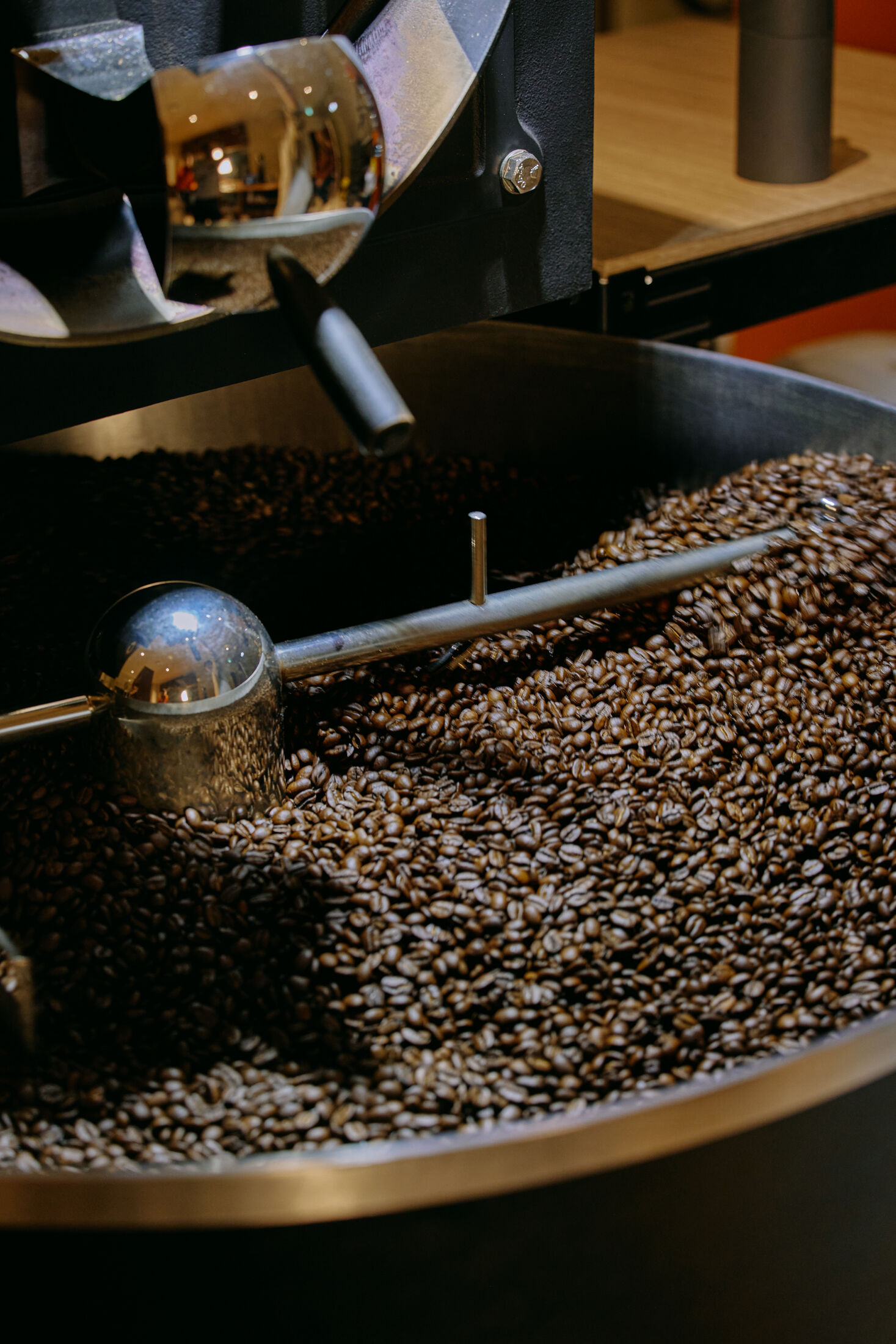
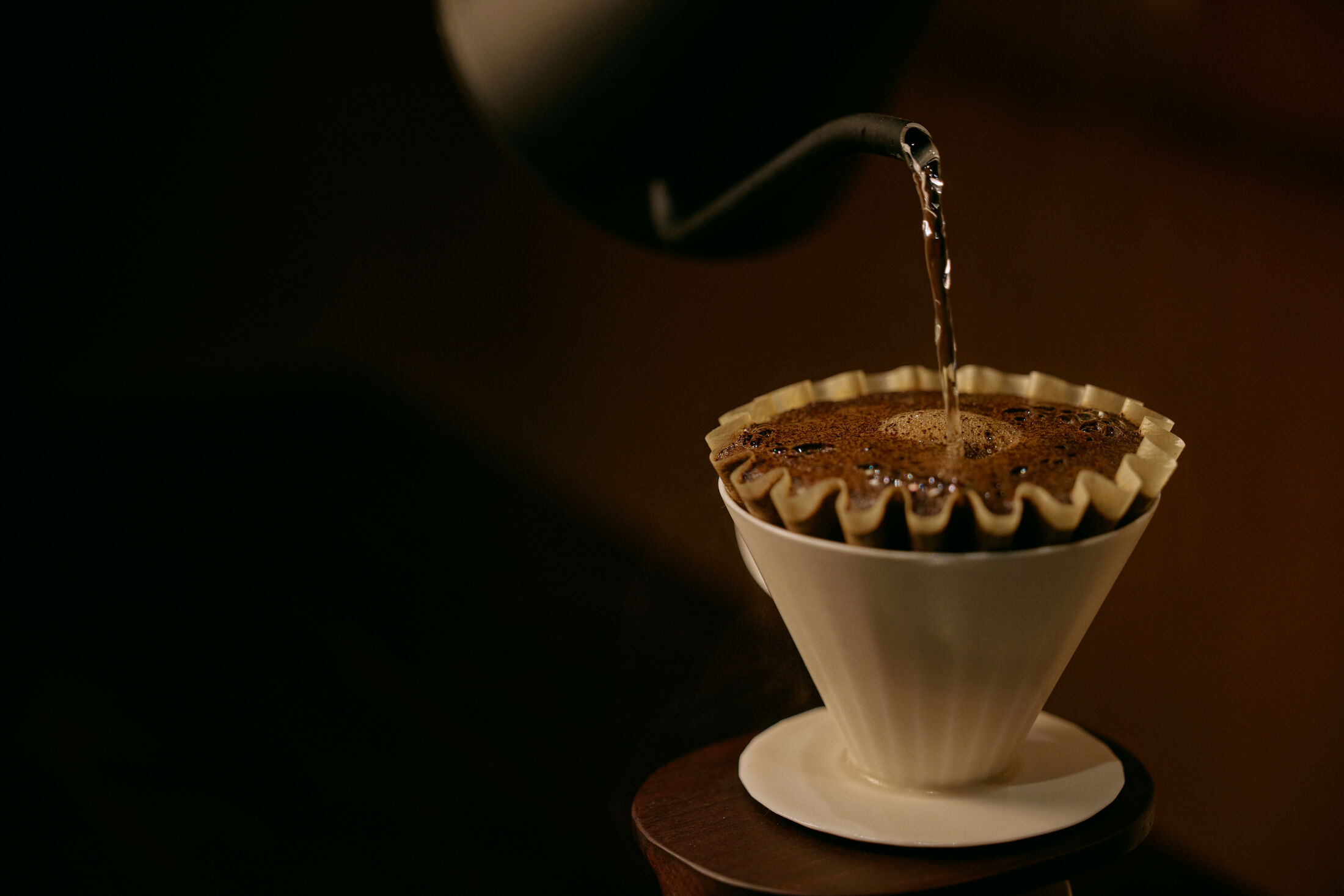
국물의 이 감각을 저희는 농밀(濃密)이라는 말로 정리했습니다. 사전에서는 "진하고 빽빽하다"는 뜻이지만, 저희가 말하는 농밀은 진하다(Strong)는 말보다 조금 더 넓습니다.
농밀은 농도(Density)와 질감(Texture)이 함께 맞는 상태입니다. 농도는 커피의 좋은 성분이 충분히 우러나 맛과 향이 풍부하게 느껴지는 정도를, 질감은 입안을 부드럽게 감싸는 매끄러움과 알맞은 무게, 약간의 점성을 말합니다. 잘 우러난 사골 국물이 입에 착 붙는 느낌, 우리가 진국이라고 부르는 그 상태를 떠올리시면 됩니다.
출근길 아침에도, 매콤한 점심을 먹고 난 뒤에도
편안하게 입에 맞는 커피.
저희가 농밀이라는 말로 그려 온 한 잔입니다.
We gathered this sensation of broth into one word: nongmil (濃密). The dictionary defines it as “dense and rich,” but the nongmil we speak of reaches a little wider than “strong.” It is the state in which density and texture come together—how fully coffee's good components are extracted, and the smoothness, fitting weight, and touch of viscosity that coat the mouth. Think of a well-simmered bone broth that clings to the mouth—what Koreans call jinguk.
A coffee that simply suits you—on the morning commute, or after a spicy lunch. That is the cup we have pictured with the word nongmil.
국을 끓이는 사람은 마지막에 간을 봅니다. 간이 맞다는 말은 짠맛만 두고 하는 말이 아닙니다. 좋은 재료의 성분이 물과 열을 거쳐 충분히 우러나고, 서로 어우러져 한 그릇의 맛으로 완성되었다는 판단입니다.
현대 커피에서 가장 가까운 말은 밸런스(Balance)입니다. 단맛과 산미가 서로를 덮지 않고 어우러지는 상태를 뜻합니다. 저희가 말하는 간은 여기에 두 가지를 더합니다.
비빔밥과 쌈에서처럼 개성 강한 재료들이 각자의 맛을 지키면서 한 그릇이 되는 일, 그 어우러짐도 간을 맞춘다는 말 안에 들어 있습니다. 그래서 저희는 원두의 캐릭터와 산미, 단맛을 함께 놓고 간이 맞는지를 봅니다.
간을 맞추는 일은 로스팅에서 열로 충분한 변화를 일으키고, 추출에서 넉넉한 커피로 성분을 우려낼 때 이루어집니다. 원두마다, 마시는 분마다 맞는 간이 조금씩 다르다는 것도 저희가 매일 확인하는 사실입니다.
Whoever makes soup tastes it for seasoning at the end. Saying the seasoning is right is not about salt alone. It is a judgment that the ingredients have fully infused through water and heat, and come together into the taste of one bowl. The closest term in contemporary coffee is balance. The gan we speak of adds two things: ample density and texture that fill the mouth—nongmil—and a sense of completion, like a well-cooked dish in which every flavor has settled in.
As in bibimbap or ssam, where bold ingredients keep their own taste while becoming one dish, this harmony also lives within the idea of seasoning. Gan is reached when roasting brings about ample change through heat, and brewing draws out the components with a generous amount of coffee. That the right seasoning differs a little from bean to bean, and from guest to guest, is something we confirm every day.
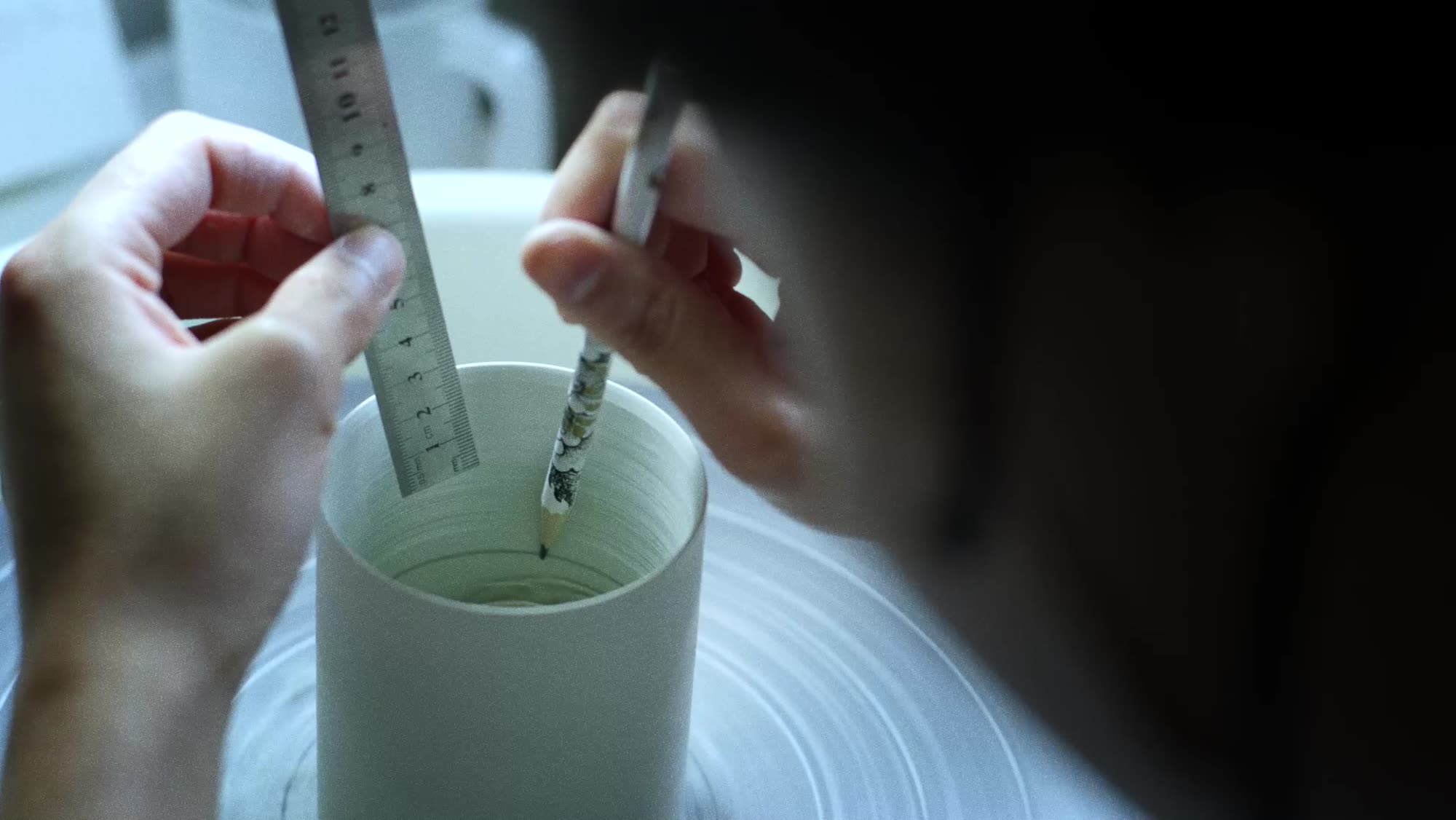
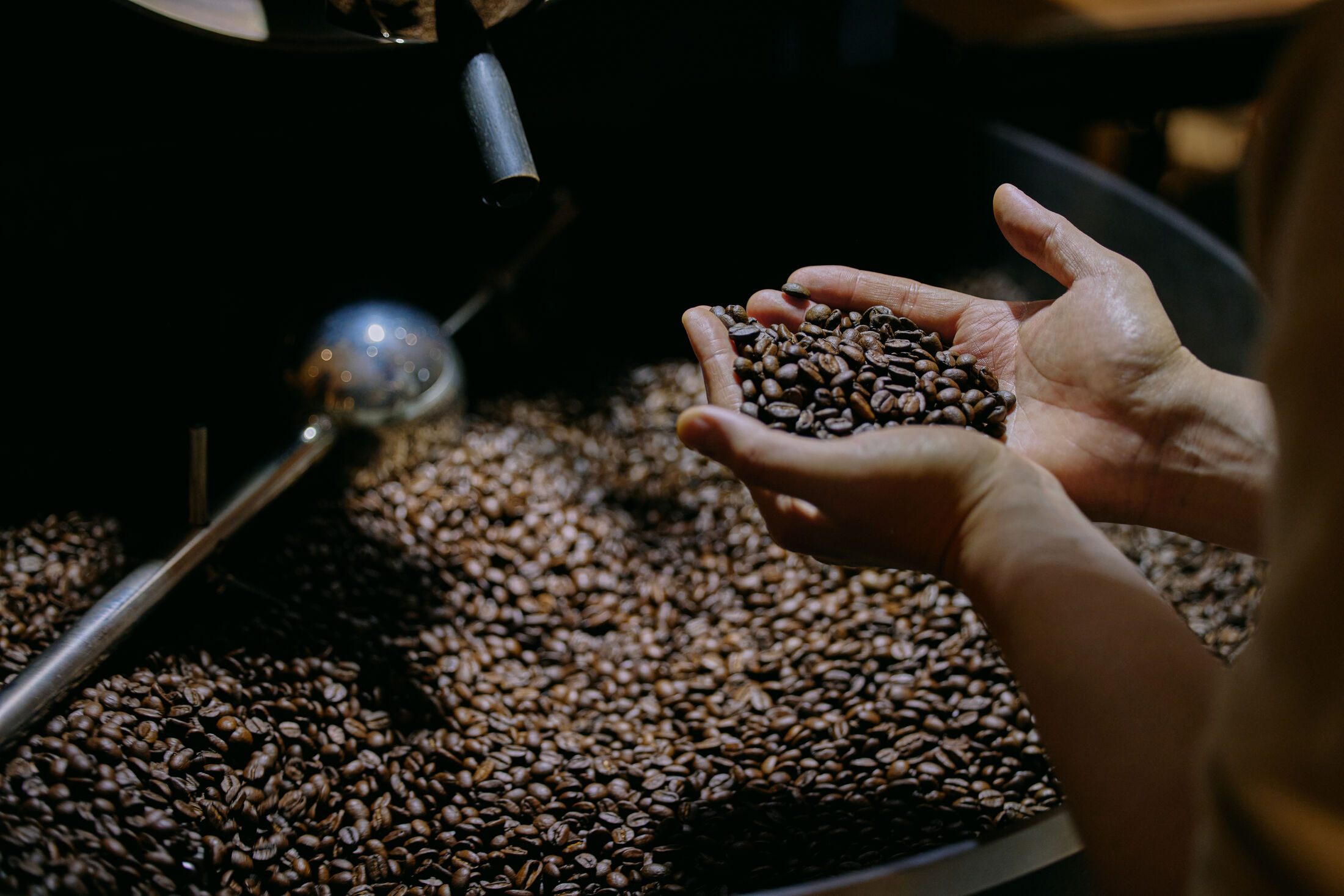
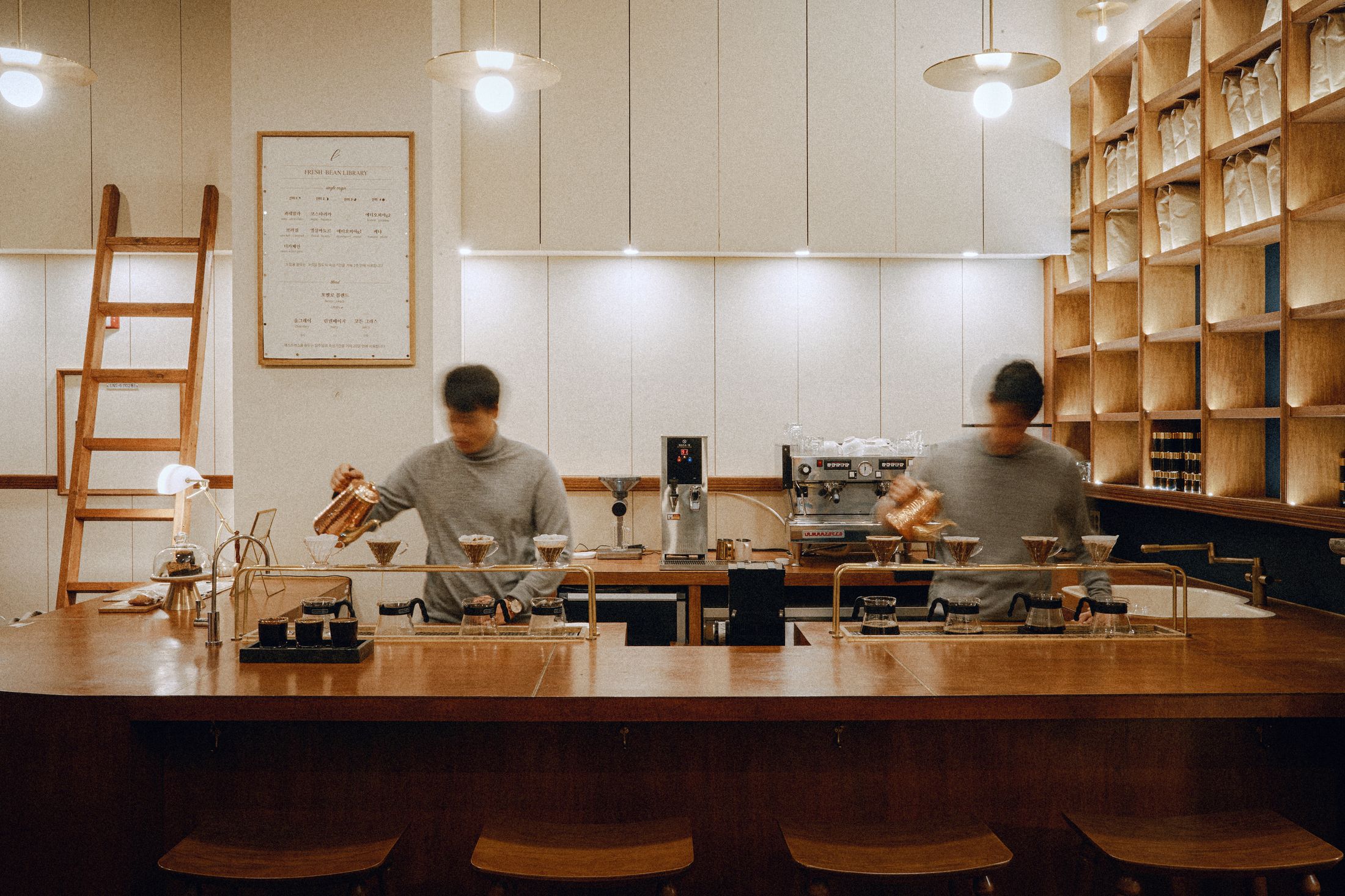
국물에서 출발한 생각이 실제 손님의 입맛과 맞는지, 저희는 매장에서 확인해 왔습니다. 2018년 8월 문을 연 공덕점은 그 기록이 쌓이는 곳입니다.
아메리카노를 비롯한 에스프레소 메뉴도 같은 생각으로 맛을 맞춥니다. 그 가운데 이 생각을 가장 그대로 담은 한 잔은 드립커피입니다. 미디엄으로 볶은 원두 23g을 바이패스 방식으로 진하게 내리고, 캐릭터가 뚜렷한 싱글오리진을 여러 종 두어 그날 마시고 싶은 맛을 고르실 수 있게 했습니다.
드립커피는 어느 원두를 고르셔도 같은 가격입니다. 가격보다 맛으로 고르시고, 저희는 그 선택을 그대로 볼 수 있습니다.
집계 기준: 포멜로빈 공덕점 POS 판매자료. 서비스·드립백 제외, 핫·아이스·매장·테이크아웃 합산, 아메리카노 20oz 포함. 2026년은 1월 1일–10월 31일.
판매 기록은 무엇이 선택되었는지 보여 주지만, 왜 선택되었는지까지 말해 주지는 않습니다. 한 매장의 기록이기도 합니다. 그 이유는 매장에서 손님과 나누는 이야기로 계속 살펴보고 있습니다.
Gongdeok, opened in August 2018, is where our record accumulates. Our espresso menu, americano included, is seasoned with the same idea; the cup that carries it most directly is hand-brewed coffee—23g of medium-roasted beans brewed strong by the bypass method, with a range of single origins to choose from, all at the same price. Guests choose by taste, and we can see those choices as they are.
In 2019, our first full year, hand-brewed coffee outsold americano, 15,103 cups to 13,966. For the 60 months from November 2021 to October 2026, it sold more every single month. From January to October 2026: 28,049 hand-brewed coffees, about 1.39 times the 20,207 americanos. Sales records show what was chosen, not why—and this is the record of one store.
공덕점의 기록 보기 →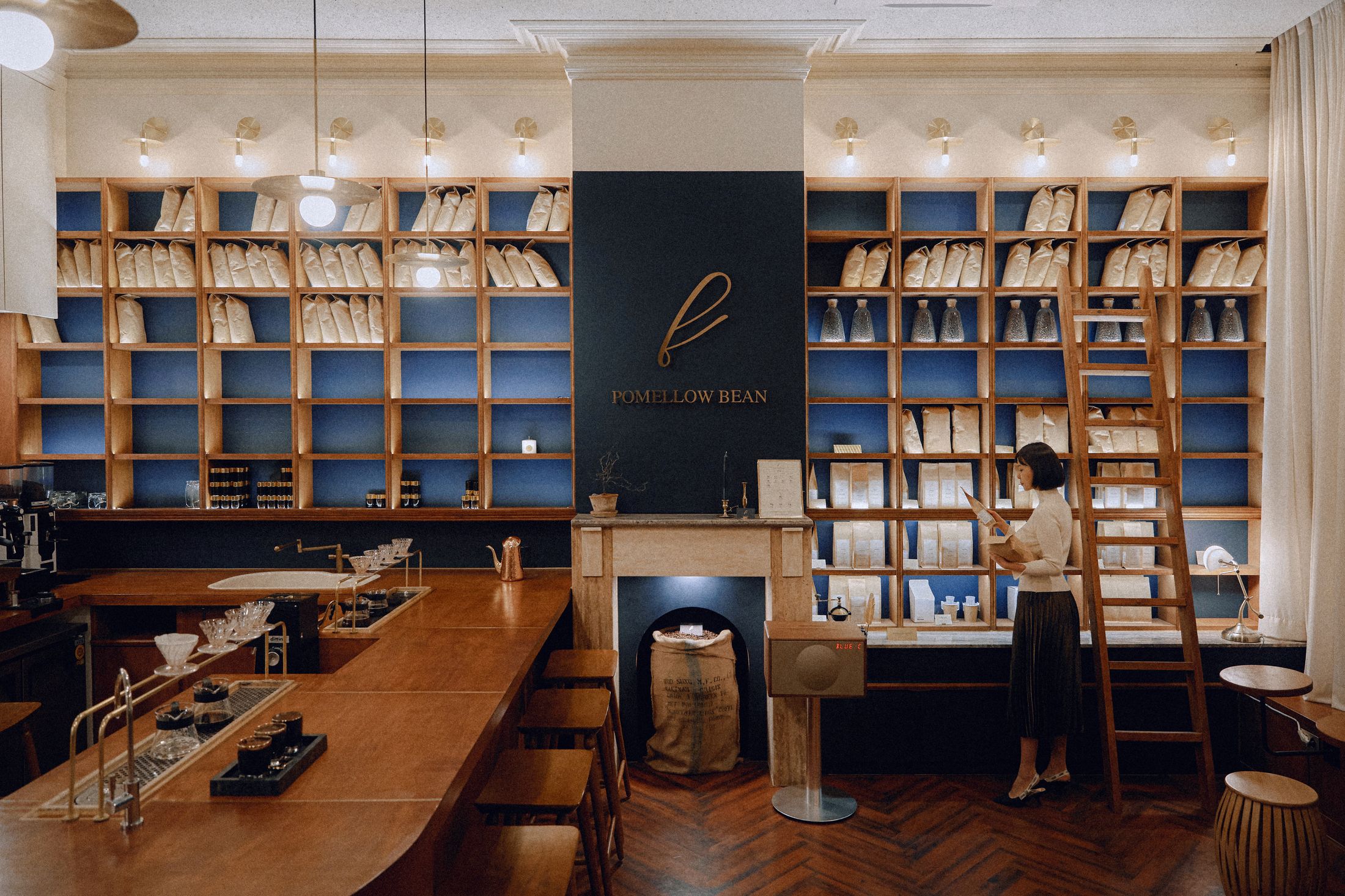
저희가 말하는 한국적인 커피는 지금의 커피를 이해하는 데서 시작해, 한국의 계절을 함께 살피는 커피입니다.
겨울 창고의 차고 마른 생두와 장마철 습기를 머금은 생두는 같은 상태에서 로스팅을 시작하지 않습니다. 기온과 습도, 기압이 바뀌면 로스터의 열효율과 공기 흐름도 달라집니다. 로스팅이 끝난 뒤에도 매장의 일교차가 원두의 온도를 바꾸고, 계절마다 달라지는 물이 추출에 영향을 줍니다.
그래서 저희는 생두를 보관하고, 볶고, 내리는 모든 단계를 기록하며 계절마다 다시 맞춥니다. 그렇게 다룬 커피를 국물로 길러진 입맛과 말로 다듬은 한 잔이 저희가 말하는 한국적인 커피입니다.
이것은 한국적인 커피가 가질 수 있는 여러 모습 가운데 하나입니다. 저희 원두를 쓰는 매장들이 이 방식을 그대로 쓰기도 하고, 자기 손님에게 맞게 바꿔 쓰기도 하기를 바랍니다.
The Korean coffee we speak of begins with understanding today's coffee, and attends to Korea's seasons along the way. Cold, dry green coffee from a winter warehouse and green coffee that has taken on monsoon humidity do not begin the roast in the same state; the roaster's heat efficiency and airflow shift with the weather, and even after roasting, the store's daily temperature swings and the season's water affect the cup.
So we record every stage—storing, roasting, and brewing—and adjust again each season. A cup handled this way, then refined by a palate and a vocabulary shaped by broth: that is the Korean coffee we speak of. It is one of many faces Korean coffee can have, and we hope the cafés that use our beans will sometimes follow it as it is, and sometimes adapt it for their own guests.
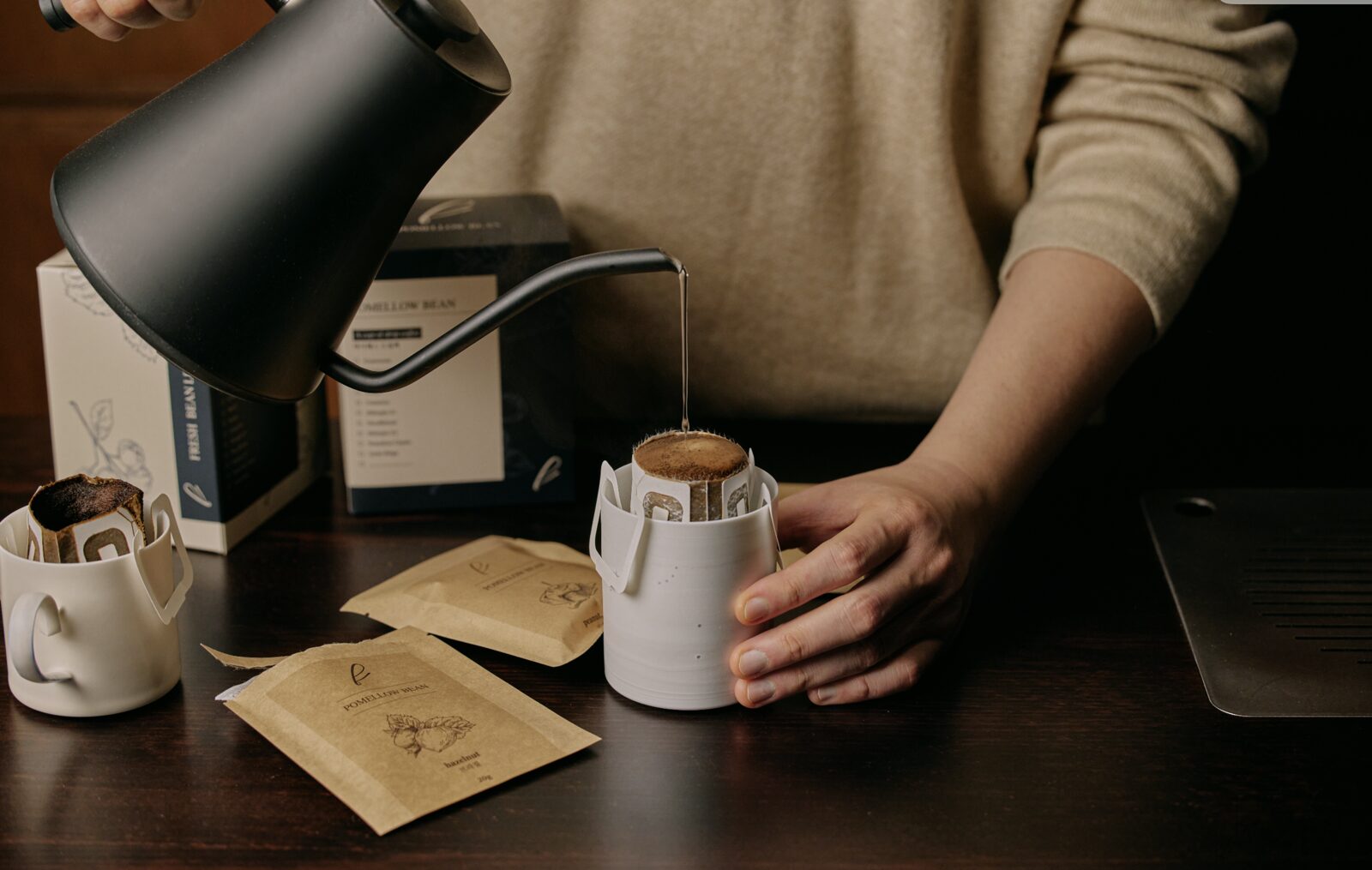
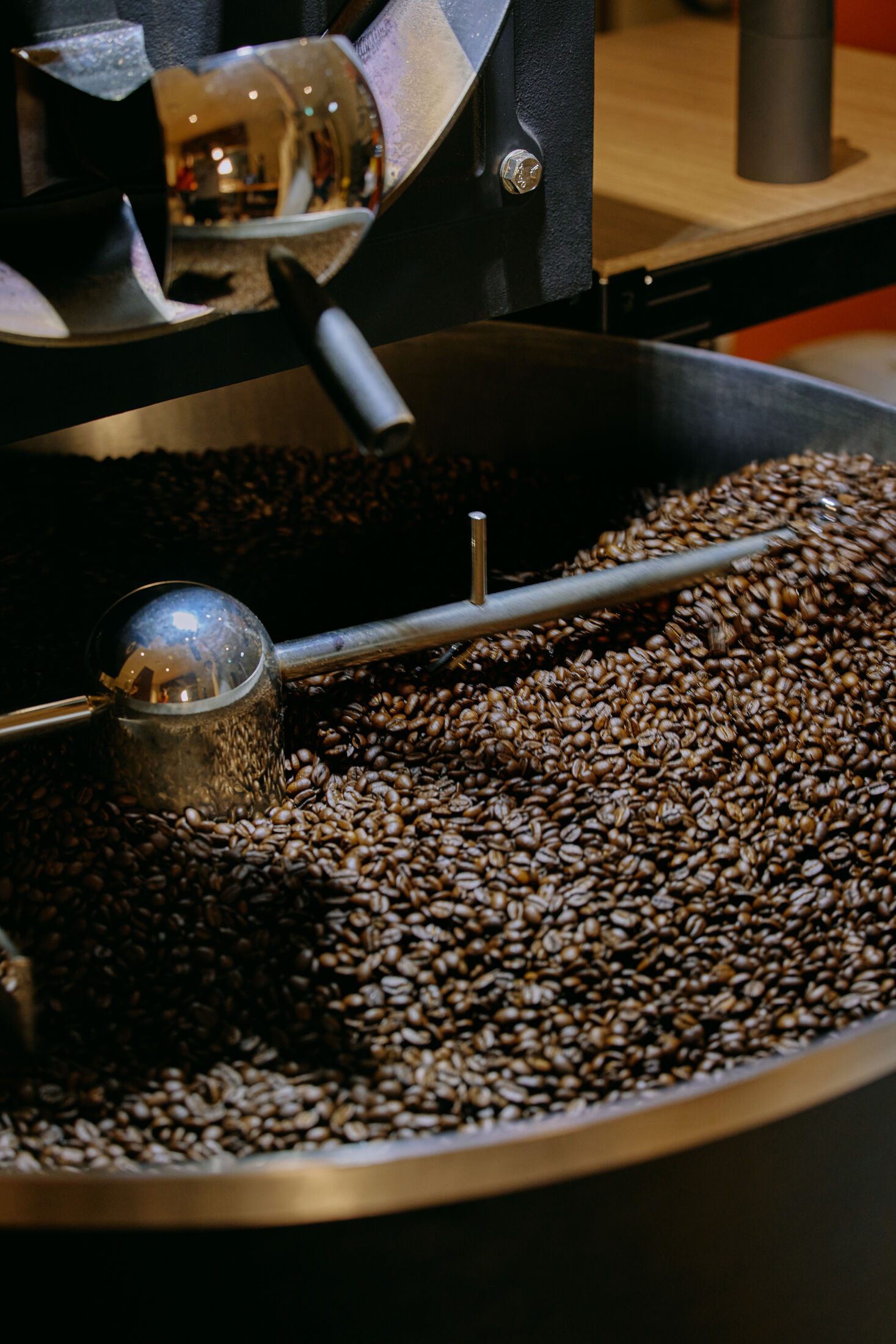
포멜로빈은 커피를
불로 맛을 완성하는 음식,
화식(火食)으로 봅니다.
Pomellow Bean sees coffee as a food whose flavor is completed by fire.
곰탕을 끓이고 생선을 굽듯, 재료를 이해하고 알맞은 열로 충분히 익혀 간을 맞춥니다. 어떻게 볶고 어떻게 내리는지는 아래 글에서 자세히 이어집니다.
Just as we simmer gomtang or grill fish, we come to understand the ingredient and cook it with the right heat until the seasoning is right. How we roast and brew is told in more detail below.